Home / What are the key elements to consider when choosing a jewelry store decoration style?
News
What are the key elements to consider when choosing a jewelry store decoration style?
Posted on June 30, 2025
When choosing a jewelry store decoration style, several key elements should be considered to create an appealing and effective space that showcases the jewelry and enhances the customer experience. Here are the main factors:
Brand Identity
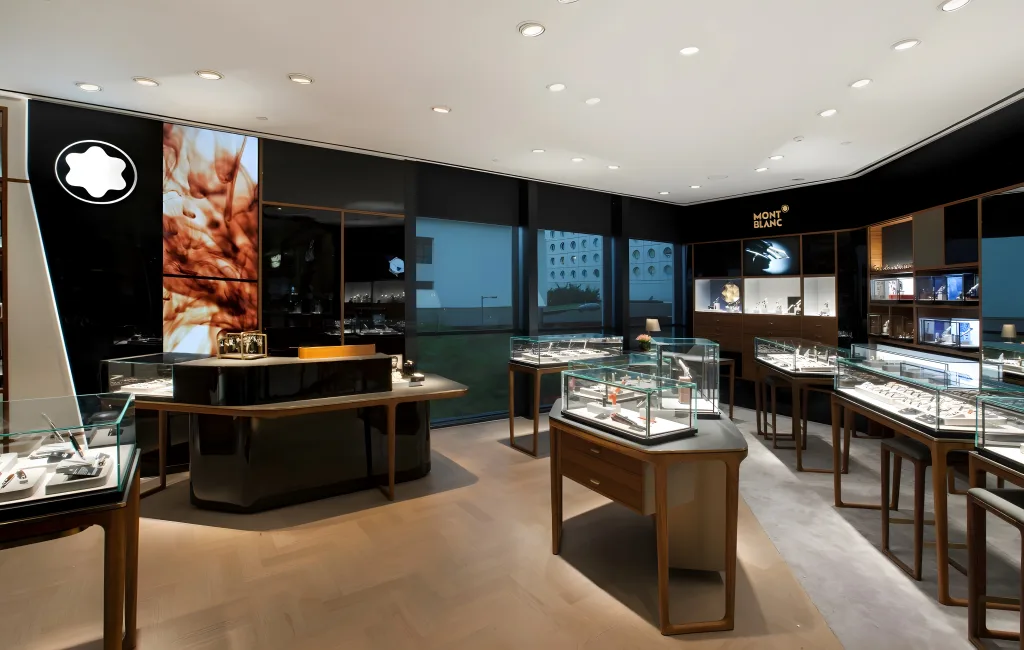
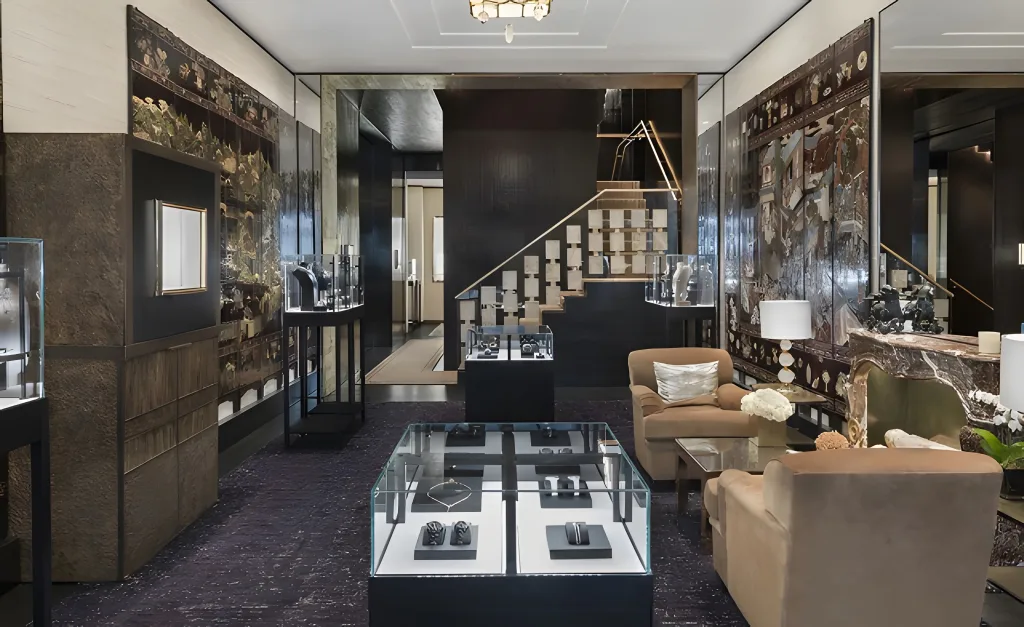
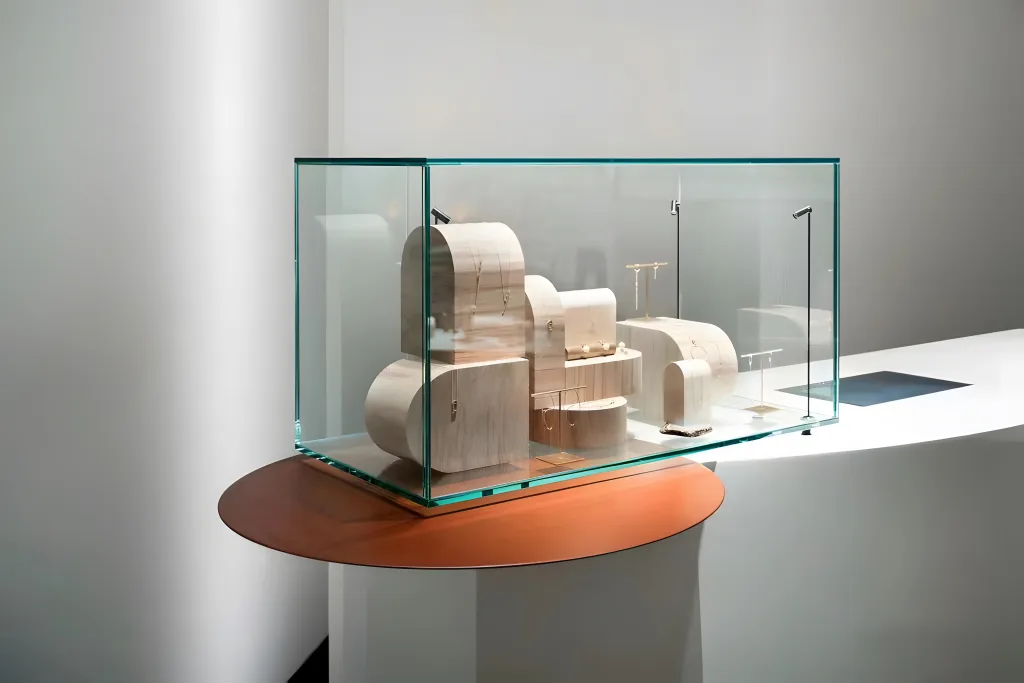
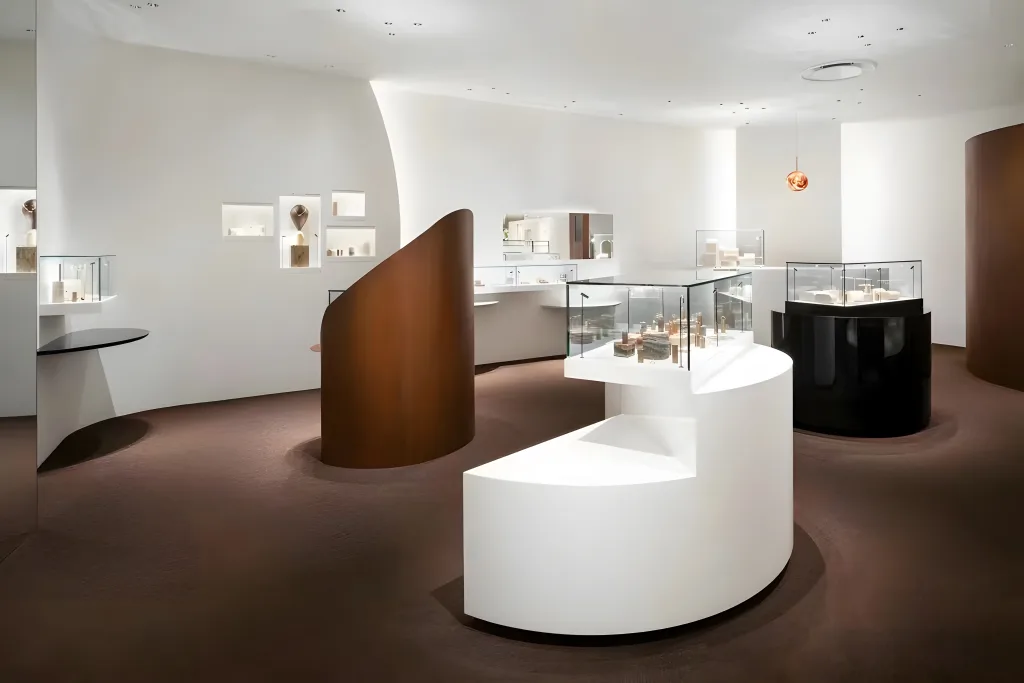
Values and Image: The decoration style must align with the brand’s core values and desired image. For example, a luxury jewelry brand known for high – end diamond pieces would likely opt for a classic, opulent style with rich materials like marble, gold accents, and crystal chandeliers to convey prestige. In contrast, a brand focused on contemporary, minimalist jewelry might choose a modern, minimalist style with clean lines, simple color palettes, and sleek materials like glass and steel.
Target Market: Consider the demographics and preferences of the target customers. A bohemian – style jewelry brand targeting young, free – spirited individuals might incorporate eclectic elements, colorful textiles, and a laid – back layout to resonate with this audience.
Jewelry Type and Product Characteristics
Design Aesthetic of Jewelry:If the jewelry has a specific design aesthetic, such as vintage – inspired pieces, the store decor can complement this. Vintage – style jewelry may look best in a classic or industrial – vintage hybrid space with antique – looking display fixtures and warm, nostalgic lighting. For handmade, artisanal jewelry, a bohemian or cultural – heritage – inspired style with natural materials and unique display methods can highlight the craftsmanship.
Preciousness and Value: High – value jewelry, like rare gemstones or custom – made pieces, often requires a more luxurious and secure – feeling environment. This could involve using high – quality materials for display cases (e.g., reinforced glass, fine wood), and creating a sense of exclusivity through private viewing areas or personalized service spaces within the store layout.
Space and Location
Physical Space Constraints: The size and shape of the store space influence the decoration style. In a small, narrow store, a minimalist style can help create an open and uncluttered feel, maximizing the use of limited space. A large, spacious store in a prime location might be able to accommodate a more elaborate, multi – themed style or a grand, luxury – oriented design with separate zones for different jewelry collections.
Location and Surroundings: The store’s location also matters. A jewelry store in a historic district might blend better with a classic or cultural – heritage – inspired style that harmonizes with the area’s architectural character. In a modern, bustling shopping mall, a contemporary or minimalist style can stand out and fit in with the surrounding retail environment.
Customer Experience
Flow and Navigation: The decoration style should facilitate a smooth customer flow. For example, in a modern – minimalist store, the layout can be designed with clear sightlines and wide aisles to make it easy for customers to navigate and view the jewelry. In a more elaborate, luxury store, the layout might guide customers through a series of curated displays, creating a journey – like experience.
Comfort and Ambiance: Consider how the style contributes to customer comfort. Soft seating, appropriate lighting levels, and pleasant acoustics are part of this. A bohemian – style store might use comfortable, eclectic seating with colorful cushions, while a luxury store could have plush, elegant seating in private consultation areas. The right lighting, whether it’s soft and diffused in a classic store or bright and focused in a modern one, can enhance the mood and allow customers to properly appreciate the jewelry.
Budget
Cost of Materials and Implementation: Different decoration styles come with varying cost implications. A luxury style with gold – leafed walls, high – end marble, and custom – made crystal chandeliers will be much more expensive to implement than a minimalist style with basic glass, steel, and painted walls. The budget will determine the choice of materials, fixtures, and the overall complexity of the design.
Long – Term Viability: Consider the long – term costs as well, such as maintenance. For example, a store with exposed brick walls (industrial style) may have lower maintenance costs in terms of wall finishes compared to a store with elaborate, hand – painted murals (cultural – heritage or bohemian style) that may require periodic touch – ups.
Lighting Design
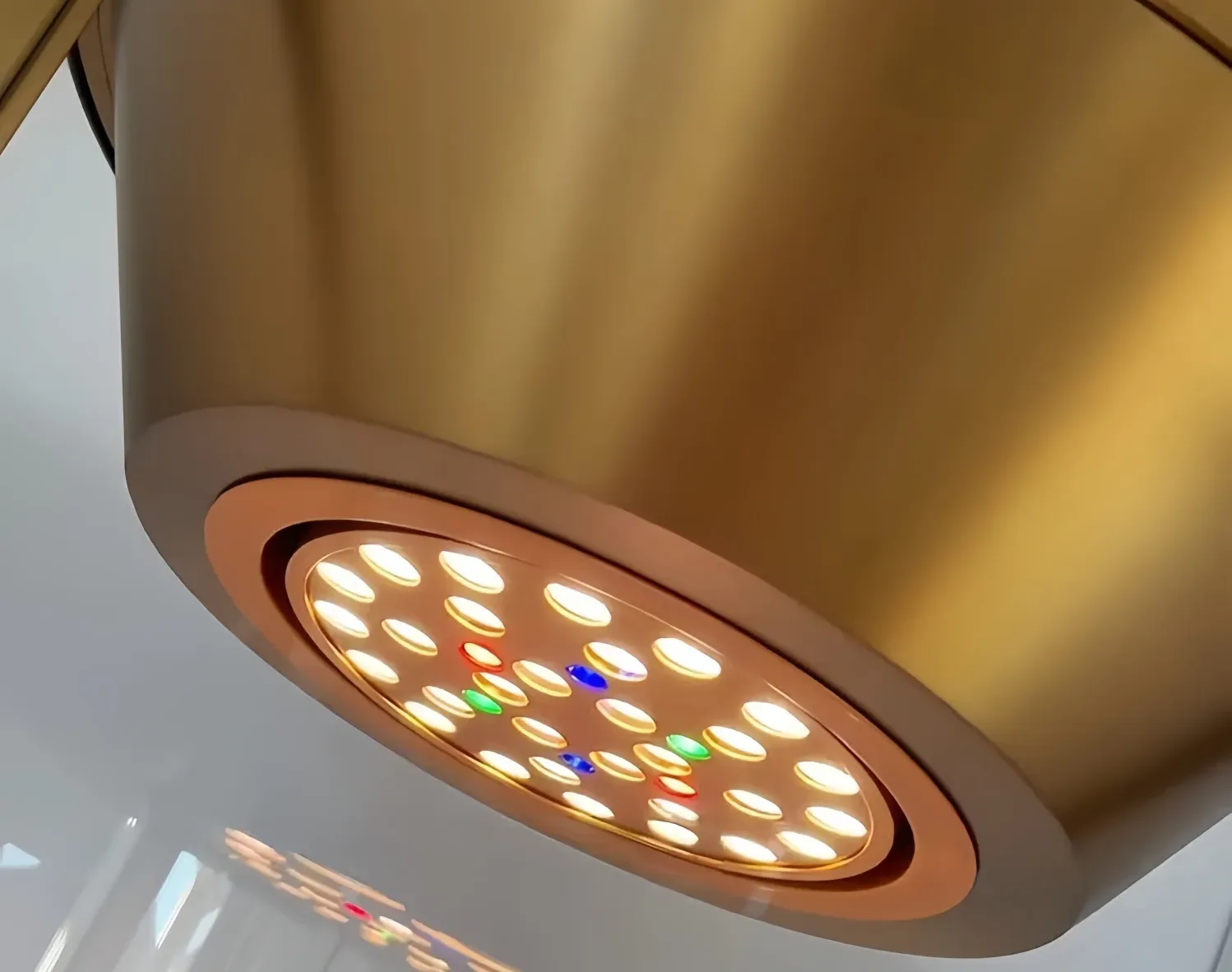
Showcasing Jewelry: The right lighting is crucial for highlighting the jewelry’s beauty. Different styles require different lighting approaches. In a classic – luxury store, crystal chandeliers and strategically placed wall sconces can create a warm, glamorous glow that accentuates the sparkle of diamonds and precious gemstones. In a modern – minimalist store, track lighting or recessed LED lights can provide focused, even illumination to showcase the clean lines of contemporary jewelry.
Setting the Mood: Lighting also sets the mood of the store. Soft, ambient lighting can create a relaxed and inviting atmosphere in a bohemian or cultural – heritage – inspired store, while bright, crisp lighting can convey a sense of energy and modernity in a contemporary store.
Choosing a jewelry store decoration style is a complex process that involves considering multiple interrelated elements. From brand identity and jewelry characteristics to space constraints, customer experience, budget, and lighting design, each factor plays a crucial role in creating a successful and appealing jewelry store. By carefully analyzing and balancing these elements, a jewelry store owner can create a decoration style that not only showcases the jewelry in the best possible way but also builds a strong brand image, attracts the right customers, and provides an unforgettable shopping experience.