Home / Types and Characteristics of Jewelry Store Decoration Styles
News
Types and Characteristics of Jewelry Store Decoration Styles
Posted on April 21, 2025
Introduction
Jewelry stores are more than just commercial spaces for selling precious items; they are showcases that reflect brand identities, evoke emotions, and enhance the allure of the jewelry itself. The decoration style of a jewelry store is a critical factor in attracting customers, creating a memorable shopping experience, and highlighting the value of the jewelry on display. This article delves into the main types of jewelry store decoration styles and their distinct characteristics.
Classic and Luxurious Style
A. Design Elements
Materials
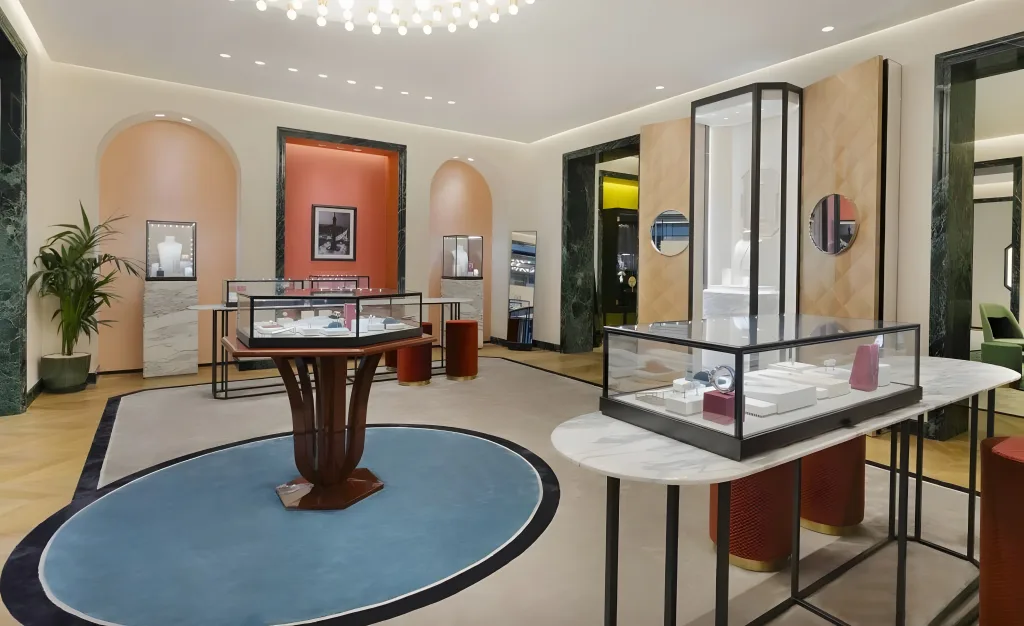
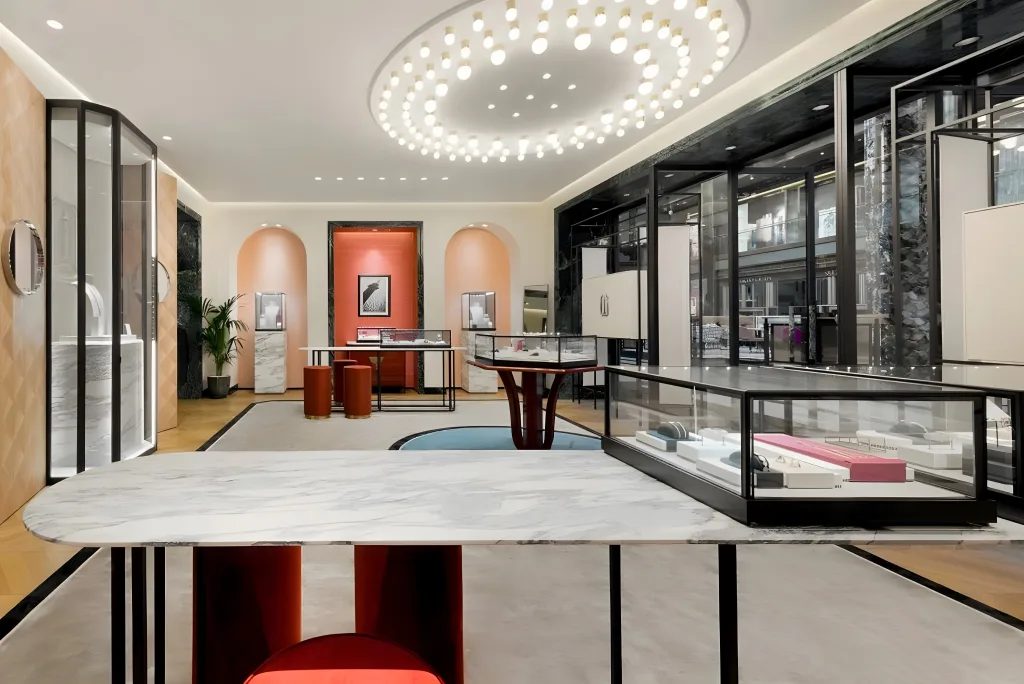
High – end materials are the cornerstone of this style. Marble is widely used for flooring and wall cladding due to its natural luster and sense of durability. For example, white marble with subtle gray veining can give a sense of purity and elegance. Polished wood, such as dark walnut or mahogany, is used for display cabinets. These woods not only add warmth but also exude a sense of luxury and timelessness. Gold – plated or brass accents are employed to embellish details, like the edges of display cabinets or the frames of mirrors.
Color Palette
The color scheme is dominated by neutral and warm tones. Shades of white, beige, and gold are prevalent. White creates a clean and bright backdrop, while beige adds a touch of softness. Gold, whether in the form of actual metal accents or gold – toned paint, brings a sense of opulence. Deep, rich colors like burgundy or navy may also be used as accent colors in upholstery or decorative elements to add depth and contrast.
Lighting
Crystal chandeliers are a signature element. They not only provide ample illumination but also create a dazzling visual effect, reminiscent of a bygone era of luxury. Wall sconces with a classic design, perhaps featuring fabric shades or metal finishes that match the overall style, are used to supplement the lighting and add a layer of sophistication. The lighting is often designed to be soft and diffused, highlighting the jewelry without creating harsh glares.
Architectural Details
Ornate moldings, such as crown moldings along the ceiling and baseboards along the floor, are common. These moldings are often intricately carved, adding a sense of craftsmanship and detail. Columns, whether real or faux, can be used to create a sense of grandeur, especially in larger stores. Arched doorways or windows can also be incorporated to break up the straight lines and add a touch of architectural interest.
B. Characteristics
Elegance and Prestige
This style exudes an air of timeless elegance and prestige. It is ideal for high – end jewelry brands that deal with classic diamond jewelry, precious gemstones, and heirloom – quality pieces. The use of luxurious materials and classic design elements creates a sense of trust and exclusivity among customers. For instance, a jewelry store selling vintage – inspired diamond engagement rings in this style can make customers feel as if they are part of a long – standing tradition of luxury.
Focus on Craftsmanship
Every element, from the carved moldings to the polished wood surfaces, showcases a high level of craftsmanship. This aligns with the quality of the fine jewelry on display, as it implies that the same attention to detail is given to the products. The overall atmosphere encourages customers to appreciate the artistry of both the store design and the jewelry.
Emphasis on Tradition
The classic and luxurious style draws on traditional design concepts, often inspired by European (palace) architecture and interior design. It evokes a sense of history and tradition, which can be appealing to customers who value heritage and timeless beauty in their jewelry purchases.
Modern and Minimalist Style
A. Design Elements
Materials
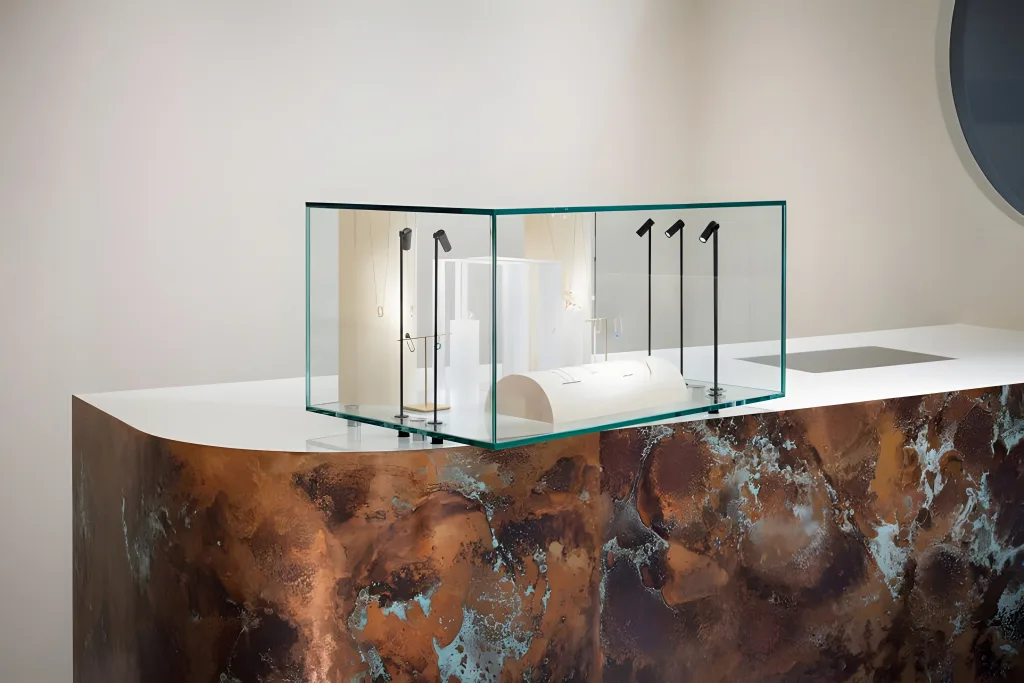
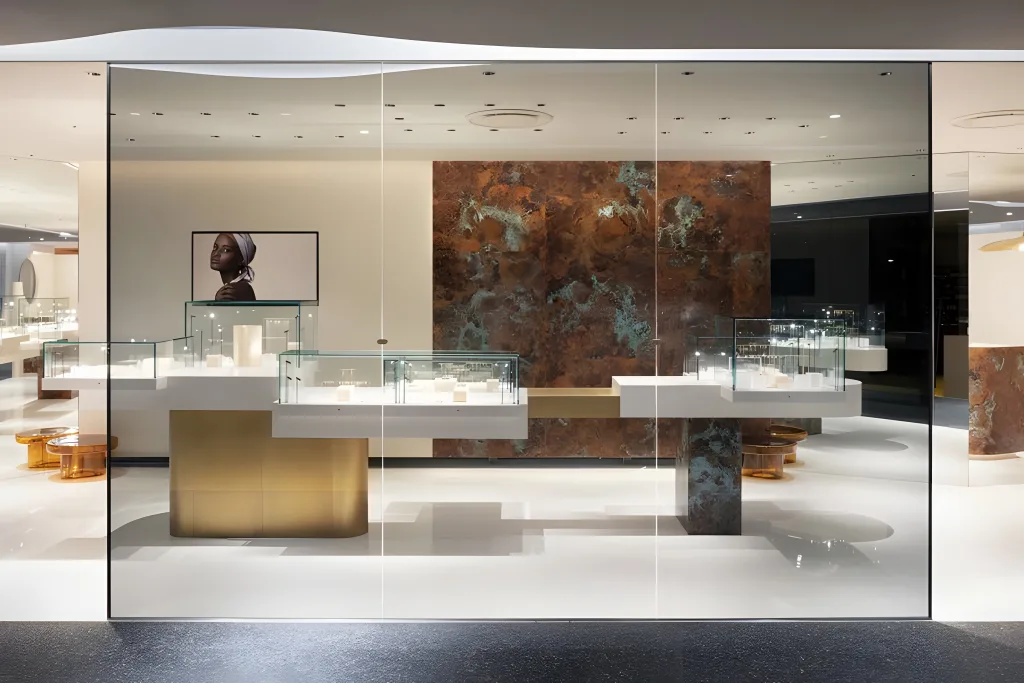
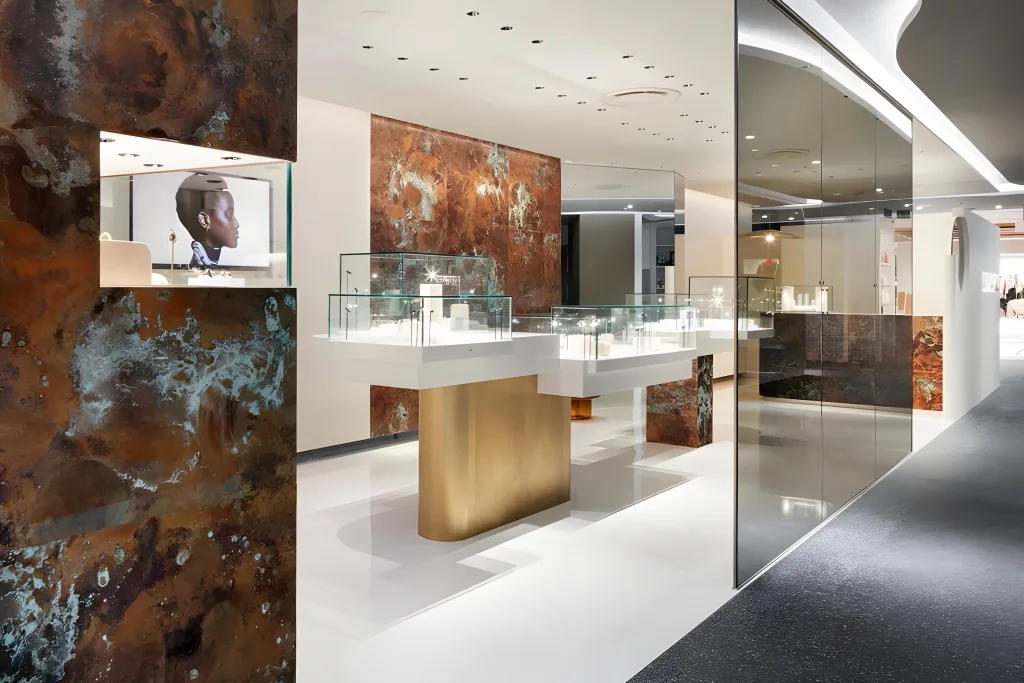
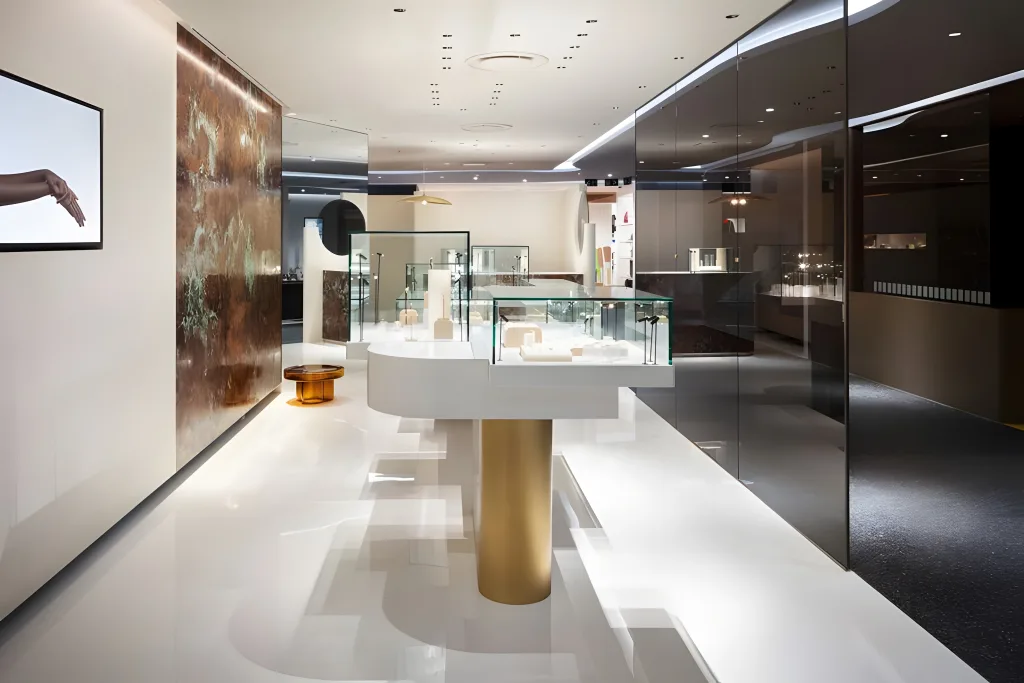
Glass, steel, and concrete are the primary materials. Glass is used extensively for display cases, as it provides a clear and unobstructed view of the jewelry while also giving a sense of lightness. Tempered glass is often preferred for its strength. Steel, in the form of sleek frames for display units or structural elements, adds a modern and industrial – chic touch. Concrete, whether polished for flooring or used as a raw – looking wall finish, contributes to the minimalist aesthetic with its simplicity and neutral color.
Color Palette
A monochromatic color scheme is typical, with black, white, and gray being the mainstays. These colors create a clean and uncluttered look. However, some modern minimalist jewelry stores may introduce a single pop of color, such as a bright red or a deep blue, in the form of an accent wall or a piece of furniture, to add a touch of visual interest without overwhelming the space.
Lighting
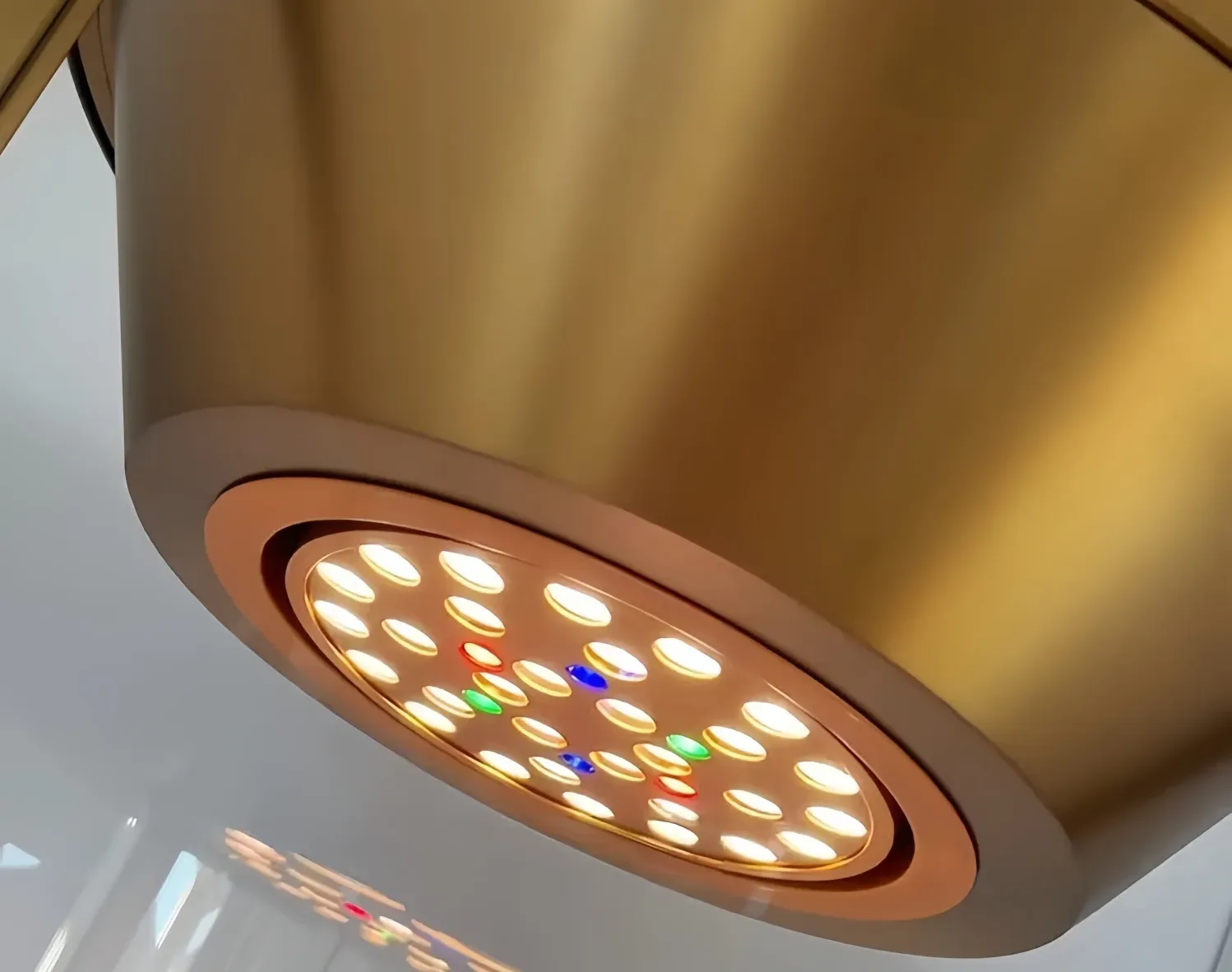
Recessed lighting and track lighting are commonly used. Recessed lights in the ceiling provide a uniform and unobtrusive source of illumination for the entire space. Track lighting allows for flexibility in highlighting specific areas or jewelry pieces. The lighting is usually bright and even, ensuring that the jewelry is clearly visible. LED lighting is often favored for its energy efficiency and ability to provide a consistent color temperature.
Layout and Furniture
The layout is characterized by clean lines and open spaces. Display units are simple and functional, often with a focus on horizontal and vertical lines. Furniture, if present, is minimalistic in design. For example, seating areas may consist of simple, low – profile benches or stools with sleek metal or wooden frames and neutral – colored upholstery. The overall goal is to keep the space uncluttered and let the jewelry be the focal point.
B. Characteristics
Simplicity and Functionality
The modern minimalist style adheres to the “less is more” principle. It emphasizes simplicity in design and functionality in layout. This style is perfect for contemporary jewelry brands that want to showcase their products without any distractions. For example, a brand selling simple gold chains and geometric – shaped silver earrings can use this style to let the clean lines and modern designs of the jewelry stand out.
Focus on the Jewelry
By minimizing the visual clutter, this style ensures that the jewelry takes center stage. The simple background provided by the monochromatic colors and clean – lined furniture allows customers to focus entirely on the beauty and details of the jewelry pieces. This is particularly beneficial for jewelry with unique designs or intricate craftsmanship that needs to be closely examined.
Appeal to a Younger Audience
The modern and minimalist aesthetic resonates well with younger, fashion – forward customers. It has a sleek and contemporary look that aligns with current design trends in fashion and interior design. Jewelry stores adopting this style can attract a demographic that values simplicity, modernity, and a no – frills shopping experience.
Bohemian and Eclectic Style
A. Design Elements
Materials
A diverse range of materials is used, including reclaimed wood, colorful textiles, and ethnic – inspired decorations. Reclaimed wood, with its weathered and unique appearance, is used for display tables or shelves, adding a sense of history and sustainability. Colorful textiles such as tapestries, macramé wall hangings, and embroidered cushions introduce a variety of colors and textures. Ethnic – inspired materials like hand – carved wooden panels from different cultures or beaded curtains can also be incorporated.
Color Palette
The color scheme is rich and diverse. Earthy tones such as terracotta, ochre, and olive green are combined with bright hues like turquoise, fuchsia, and mustard yellow. Patterns are also prevalent, with ethnic prints, floral designs, and geometric patterns often used in textiles and decorative elements. This creates a vibrant and visually stimulating environment.
Layout and Display
The layout is more free – flowing and less structured compared to other styles. Display units may be of irregular shapes and sizes, creating a sense of discovery. Jewelry can be displayed on a variety of surfaces, from reclaimed wood branches used as display racks to hand – crafted pottery bowls for holding small items. This eclectic display approach encourages customers to explore the store and discover unique pieces.
Decorative Elements
In addition to textiles and reclaimed wood, other decorative elements like dreamcatchers, hand – painted signs, and vintage artifacts are used. These elements add to the bohemian and eclectic atmosphere, creating a sense of a global, artistic marketplace.
B. Characteristics
Creativity and Individuality
This style is all about creativity and individuality. It is perfect for jewelry brands that have a bohemian or artisanal spirit, such as those selling handmade beaded jewelry, ethnic – inspired necklaces, or boho – chic bracelets. The diverse range of materials and decorative elements reflects the unique and one – of – a – kind nature of the jewelry.
Sense of Discovery
The free – flowing layout and eclectic display create a sense of discovery for customers. As they navigate through the store, they encounter different jewelry pieces displayed in unexpected ways, which can be exciting and engaging. This style is well – suited for customers who enjoy a more relaxed and exploratory shopping experience, as if they are hunting for hidden treasures.
Cultural Fusion
The use of ethnic – inspired materials and decorations from different cultures creates a sense of cultural fusion. It can appeal to customers who are interested in global cultures and appreciate the stories behind the jewelry and the store’s design. This style can also be a platform for showcasing jewelry that has cultural significance or is inspired by different traditions.
Industrial Style
A. Design Elements
Materials
Exposed brick walls, raw concrete floors, and metal pipes and beams are the defining materials. Exposed brick walls add a sense of history and texture, with their rough and uneven surfaces. Raw concrete floors, either left in their natural state or with a simple sealant, provide a durable and industrial – looking base. Metal pipes and beams, often left unpainted or with a distressed finish, are used for structural support and as decorative elements, such as for creating display racks or framing windows.
Color Palette
The color scheme is often dark and muted, with shades of gray, brown, and black dominating. These colors complement the industrial materials and create a rugged and masculine atmosphere. However, some industrial – style jewelry stores may introduce pops of color, such as a bright red or yellow in the form of signage or small decorative items, to add a touch of contrast and visual interest.
Lighting
Industrial – looking lighting fixtures are used, such as Edison bulbs in metal cages or pendant lights with exposed filaments. These fixtures not only provide illumination but also contribute to the overall industrial aesthetic. The lighting is often direct and unfiltered, creating a raw and authentic atmosphere. Track lighting may also be used to highlight specific jewelry pieces, with the tracks and fixtures having a utilitarian, industrial design.
Display Units
Display units are often made of metal and wood, with a rugged and utilitarian appearance. Metal – framed glass display cases, wooden crates used as display shelves, or industrial – style metal racks for hanging jewelry are common. These display units are functional and fit well with the overall industrial theme.
B. Characteristics
Edgy and Authentic
The industrial style has an edgy and authentic feel. It is suitable for jewelry brands that target a more urban, edgy customer base, such as those selling jewelry made from unconventional materials like recycled metal, leather, and industrial – inspired designs. The raw and unrefined look of the store complements the unique nature of the jewelry products, giving them an aura of toughness and authenticity.
Utilitarian Aesthetic
Every element in an industrial – style jewelry store, from the exposed pipes to the rugged display units, has a utilitarian aesthetic. This aligns with the idea of functionality and practicality, which can be appealing to customers who value simplicity and authenticity over excessive ornamentation.
Nostalgic Appeal
The use of materials like exposed brick and Edison bulbs can evoke a sense of nostalgia for a bygone industrial era. This can attract customers who appreciate the history and heritage associated with industrial design and are drawn to the unique atmosphere of the store.
Luxury and Opulent Style
A. Design Elements
Materials
The most precious materials are used, such as gold – leafed walls, plush velvet upholstery, and crystal chandeliers. Gold – leafed walls create a sense of extreme luxury and opulence, catching the light and creating a warm, golden glow. Plush velvet, in rich colors like deep red, purple, or emerald green, is used for seating, curtains, or display backdrops, adding a touch of softness and luxury. Crystal chandeliers, often large and elaborate, are the centerpiece of the lighting design, providing a dazzling display of light.
Color Palette
The color scheme is rich and sumptuous. Deep, jewel – tone colors like ruby red, sapphire blue, and amethyst purple are commonly used. These colors, combined with gold and silver accents, create a sense of luxury and sophistication. Metallic tones are also prevalent, adding to the overall opulent feel.
Architectural and Decorative Details
Intricate carvings, whether on wooden furniture, wall panels, or display cases, are a hallmark of this style. Elaborate display cases with high – end finishes, such as hand – polished wood and gold – plated hardware, are used to showcase the jewelry. Personalized service areas, like private consultation rooms with plush seating and custom – made furniture, are often included. Security features, while essential, are integrated seamlessly into the luxurious design, such as hidden alarm systems and discreet surveillance cameras.
Lighting
In addition to crystal chandeliers, other high – end lighting fixtures are used. Wall sconces with crystal embellishments, table lamps with silk shades, and floor lamps with marble bases may be incorporated to create a layered and luxurious lighting effect. The lighting is designed to be soft and flattering, highlighting the jewelry and creating a warm and inviting atmosphere.
B. Characteristics
Extreme Luxury
This style is the epitome of extreme luxury. It is reserved for the most exclusive jewelry brands, dealing with high – end diamond jewelry, rare gemstones, and custom – made pieces. The use of precious materials and elaborate design elements creates an atmosphere of wealth and exclusivity, making customers feel like they are part of an elite club.
Attention to Detail
Every detail, from the intricate carvings to the choice of materials for the upholstery, is carefully considered. This attention to detail reflects the quality and craftsmanship of the jewelry on display. Customers are encouraged to appreciate the fine details of both the store design and the jewelry, enhancing the overall shopping experience.
Emphasis on Exclusivity
The luxury and opulent style emphasizes exclusivity. Private consultation rooms, personalized service, and the use of rare and precious materials all contribute to a sense of exclusivity. This can appeal to high – net – worth customers who are looking for unique and exclusive jewelry pieces and a shopping experience that reflects their status.
Cultural and Heritage – Inspired Style
A. Design Elements
Materials
Traditional materials are used based on the specific cultural inspiration. For example, in a Chinese – inspired jewelry store, materials like bamboo, lacquered wood, and silk may be used. Bamboo can be used for decorative screens or display elements, adding a sense of natural beauty and traditional Chinese aesthetics. Lacquered wood, with its rich colors and smooth finish, can be used for display cabinets. Silk, in the form of wall hangings or cushion covers, adds a touch of luxury and cultural significance. In an Indian – inspired store, materials like brass, hand – carved wood, and colorful textiles may be prevalent.
Color Palette
The color scheme reflects the cultural heritage. In Chinese – inspired designs, red and gold are often used, symbolizing good fortune and prosperity. In Native American – inspired stores, earthy tones like terracotta, sage green, and brown may be dominant, reflecting the connection to nature. Indian – inspired stores may use a vibrant color palette, with shades of red, orange, and gold, inspired by traditional Indian art and culture.
Architectural and Decorative Elements
Cultural and heritage – inspired architectural elements are incorporated. For a Chinese – inspired store, this may include Chinese lattice patterns, shoji screens, or mandala – like ceiling designs. In an Indian – inspired store, elements like intricate jali (lattice) work, elephant motifs, or colorful rangoli – inspired floor designs may be used. These elements not only add to the visual appeal but also tell a story about the cultural heritage.
Jewelry Display
The display of jewelry is often influenced by the cultural context. In a Chinese – inspired store, jewelry may be displayed on lacquered wood trays or in silk – lined boxes, mimicking traditional Chinese jewelry storage. In an Indian – inspired store, jewelry may be displayed on brass stands or in colorful textile – covered display cases, reflecting the traditional way of showcasing jewelry in Indian markets.
B. Characteristics
Cultural Storytelling
This style is all about cultural storytelling. It is ideal for jewelry brands that specialize in jewelry with cultural significance, such as traditional Chinese jade jewelry, Native American turquoise pieces, or Indian Kundan jewelry. The store design helps to educate customers about the cultural background and significance of the jewelry, creating a deeper connection between the customer and the product.
Unique Aesthetic
The use of traditional materials, colors, and architectural elements creates a unique aesthetic that sets the jewelry store apart from others. It appeals to customers who are interested in different cultures and appreciate the beauty and uniqueness of cultural heritage – inspired design.
Connection to Heritage
By incorporating cultural and heritage – inspired elements, the store creates a connection to the past. This can be appealing to both customers from the same cultural background who want to celebrate their heritage and customers from different backgrounds who are interested in exploring and learning about new cultures through the medium of jewelry and store design.
Conclusion
Jewelry store decoration styles are as diverse as the jewelry they showcase. From the classic and luxurious to the modern and minimalist, the bohemian and eclectic to the industrial, the luxury and opulent to the cultural and heritage – inspired, each style has its own unique set of design elements and characteristics. The choice of style depends on the brand identity, the target customer base, and the nature of the jewelry products. By understanding these different styles and their characteristics, jewelry store owners and designers can create spaces that not only showcase the jewelry in the best possible light but also create a memorable and engaging shopping experience for customers. Whether it is evoking a sense of luxury, creativity, cultural connection, or modernity, the right decoration style can transform a jewelry store into a destination that customers.