In the highly competitive jewelry retail industry, the spatial design of a jewelry store plays a crucial role in attracting customers, enhancing the shopping experience, and ultimately driving sales. A well – designed jewelry store not only showcases the products effectively but also creates an atmosphere that makes customers feel comfortable, luxurious, and eager to explore. This article will delve into the key elements that should be considered when designing the space of a jewelry store.
Lighting: The Soul of Jewelry Display
Lighting is perhaps the most critical element in jewelry store design. It has the power to transform the appearance of jewelry, highlighting its beauty, luster, and intricate details. Different types of lighting are used in combination to create a perfect display environment.
1.1 Accent Lighting
Accent lighting is used to draw attention to specific jewelry pieces or displays. Spotlights and track lights are commonly employed for this purpose. They can be adjusted to focus on high – value items such as diamond necklaces, precious gemstone rings, or limited – edition pieces. The intensity and direction of accent lighting should be carefully calibrated. For example, a well – placed spotlight can make a diamond sparkle brilliantly, enhancing its perceived value. By using accent lighting, jewelry stores can create focal points within the store, guiding customers’ eyes and leading them on a visual journey through the collection.
1.2 Ambient Lighting
Ambient lighting provides the overall illumination of the store, creating a comfortable and inviting atmosphere. Soft, diffused lighting is preferred for ambient lighting, as it reduces glare and makes the space feel warm and welcoming. Recessed ceiling lights, wall sconces, or pendant lights can be used to achieve ambient lighting. The color temperature of ambient lighting is also important. A warm – white color temperature (around 2700 – 3000K) is often chosen for jewelry stores as it gives a cozy and luxurious feel, which complements the elegance of jewelry.
1.3 Decorative Lighting
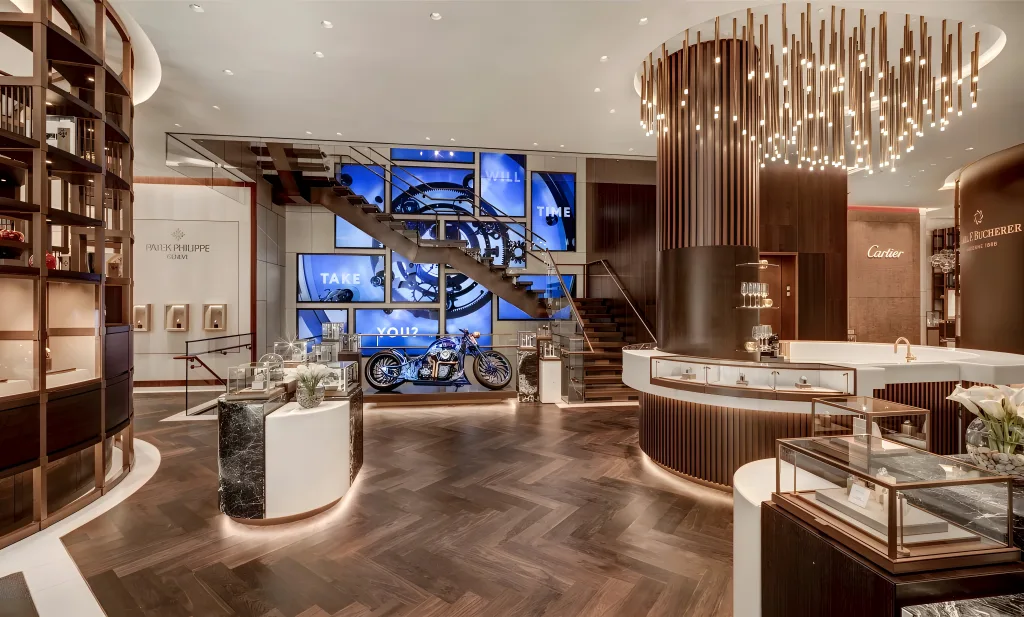
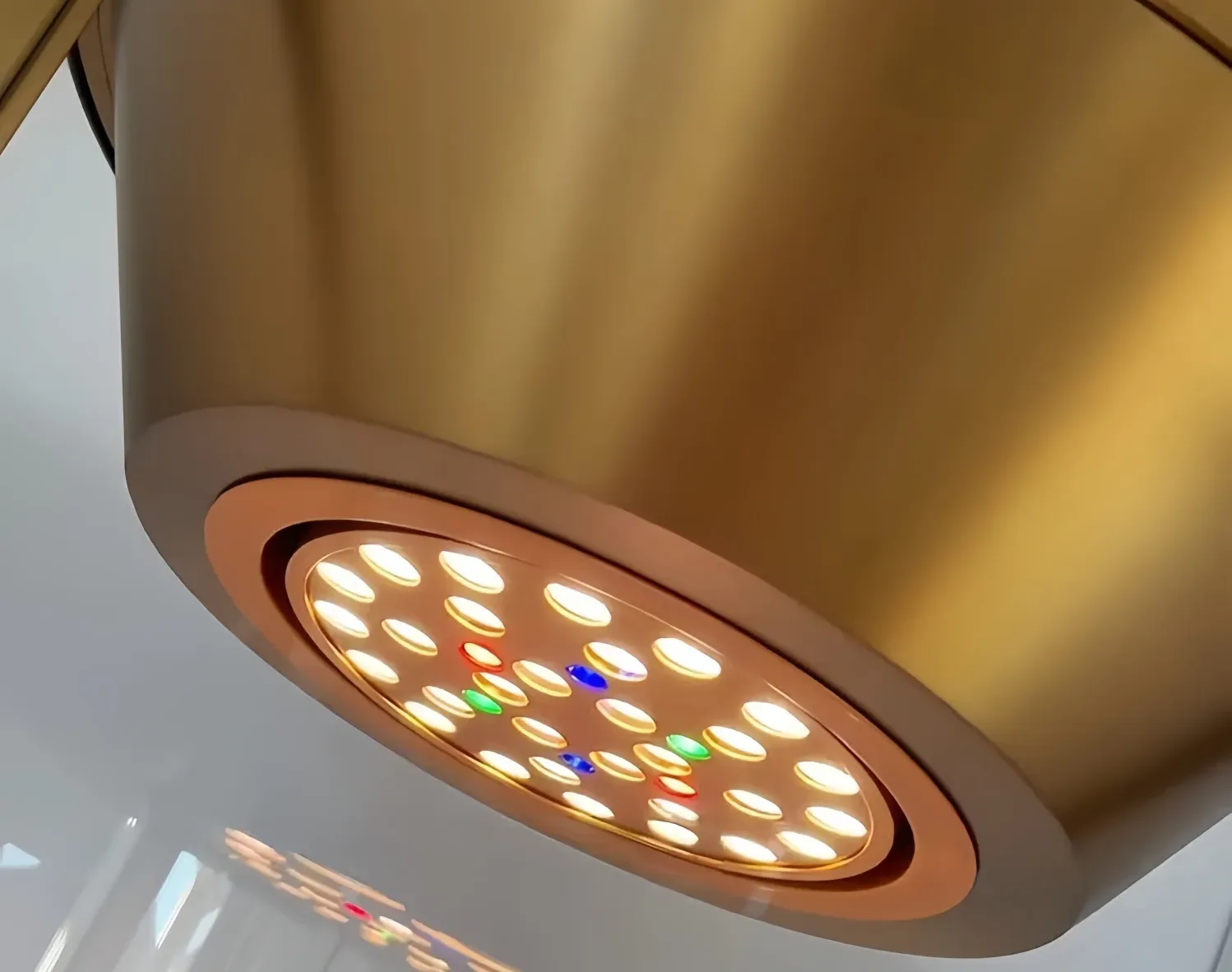
Decorative lighting not only serves a functional purpose but also adds to the aesthetic appeal of the store. Chandeliers, for example, can be used as a centerpiece in the store, creating a sense of grandeur and luxury. Unique light fixtures can also become part of the store’s interior design theme, enhancing the overall brand image. Decorative lighting can be used in areas such as the entrance, the waiting area, or the VIP rooms to make these spaces more memorable.
Display Design: Showcasing the Treasures
The way jewelry is displayed has a direct impact on how customers perceive and interact with the products. A well – planned display system can increase the visibility of jewelry, make it easier for customers to browse, and encourage purchases.
2.1 Display Cases
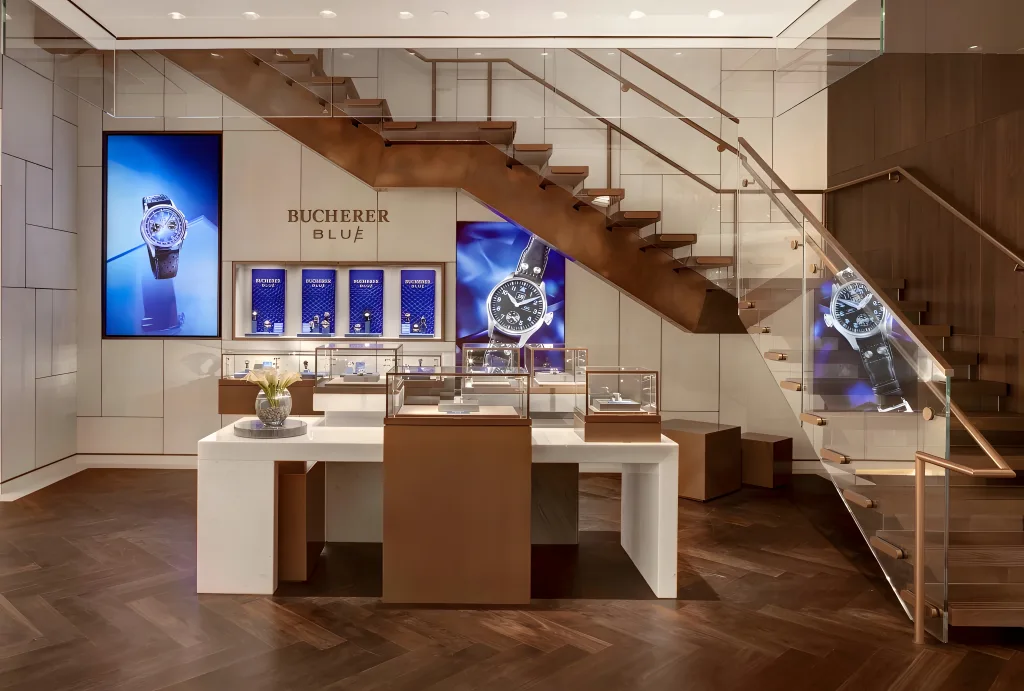
High – quality display cases are essential for jewelry stores. They should be made of durable materials such as glass and metal to ensure the safety and security of the jewelry. The glass used in display cases should be clear and scratch – resistant to provide an unobstructed view of the products. Display cases can be designed in various shapes and sizes, depending on the type of jewelry being displayed. For example, ring display cases often have individual compartments to showcase each ring separately, while necklace display cases may have hooks or stands to display the necklaces elegantly.
2.2 Layout and Flow
The layout of the display areas within the store should be carefully planned to create a logical and intuitive shopping flow. Customers should be able to move around the store easily without feeling cramped or confused. A common layout approach is to have a central aisle that leads customers through the main display areas, with smaller aisles branching off to different sections of the store. This layout allows customers to have a comprehensive view of the collection while also providing easy access to specific product categories. Additionally, the height of the display cases should be considered. Eye – level displays are ideal for highlighting important products, while lower displays can be used for complementary items or products that customers may discover while browsing.
2.3 Visual Merchandising
Visual merchandising techniques play a significant role in display design. Grouping jewelry by theme, color, or style can create an aesthetically pleasing and organized display. For example, a bridal jewelry section can be created with white – gold and diamond pieces arranged together, creating a romantic and cohesive look. Using props such as velvet trays, silk cushions, or decorative backdrops can also enhance the visual appeal of the display. These props can add texture, color, and depth to the display, making the jewelry stand out even more.
Color Scheme: Setting the Mood
The color scheme of a jewelry store has a profound impact on the overall mood and atmosphere of the space. Different colors can evoke different emotions and perceptions in customers.
3.1 Neutral Colors
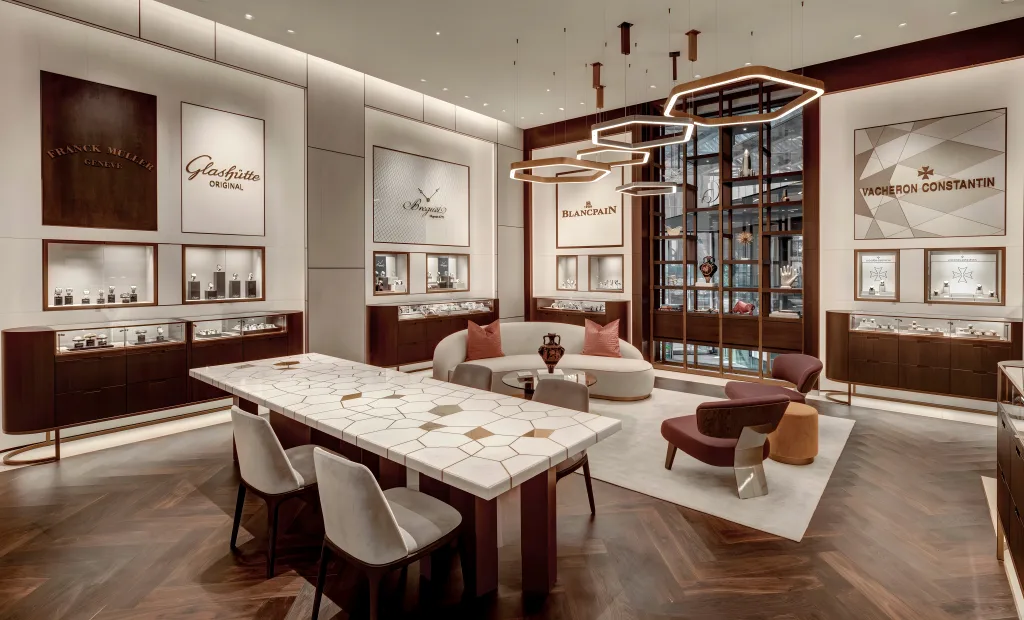
Neutral colors such as white, beige, and gray are commonly used in jewelry stores. These colors provide a clean and sophisticated backdrop that allows the jewelry to be the focal point. White, in particular, gives a sense of purity and elegance, which is well – suited for highlighting the beauty of precious metals and gemstones. Beige and gray add warmth and a touch of luxury without overpowering the jewelry. They can be used on walls, floors, and display fixtures to create a harmonious and calming environment.
3.2 Accent Colors
Accent colors can be used to add a pop of color and personality to the store. Colors such as deep purple, royal blue, or emerald green can be used sparingly in elements such as furniture upholstery, decorative accents, or signage. These colors can create a sense of drama and luxury, attracting customers’ attention and adding a unique touch to the store’s design. However, it is important to use accent colors in moderation to avoid creating a cluttered or overwhelming look.
3.3 Brand – Consistent Colors
If the jewelry store has a strong brand identity, the color scheme should be consistent with the brand’s colors. This helps to reinforce brand recognition and creates a cohesive shopping experience. For example, if a jewelry brand is known for its signature red color, incorporating this color into the store’s design elements such as the logo, storefront, or interior accents can strengthen the brand image in the minds of customers.
Space Allocation: Functionality Meets Luxury
Proper space allocation is crucial for a jewelry store to function efficiently while maintaining a luxurious feel. Different areas within the store have different functions, and each area should be designed accordingly.
4.1 Entrance and Waiting Area
The entrance of the jewelry store is the first impression customers have of the brand. It should be inviting, well – lit, and clearly display the store’s name and logo. A waiting area can be provided near the entrance, especially for customers who are accompanied by others or for those waiting for an appointment. The waiting area should be comfortable, with seating, soft lighting, and perhaps some reading materials or digital displays showcasing the latest jewelry collections.
4.2 Sales Area
The sales area is the heart of the jewelry store. It should have enough space for customers to move around, interact with sales staff, and try on jewelry. Adequate counter space should be provided for sales transactions and for displaying additional products. The layout of the sales area should also allow for privacy when customers are making high – value purchases or when trying on expensive jewelry.
4.3 VIP and Consultation Rooms
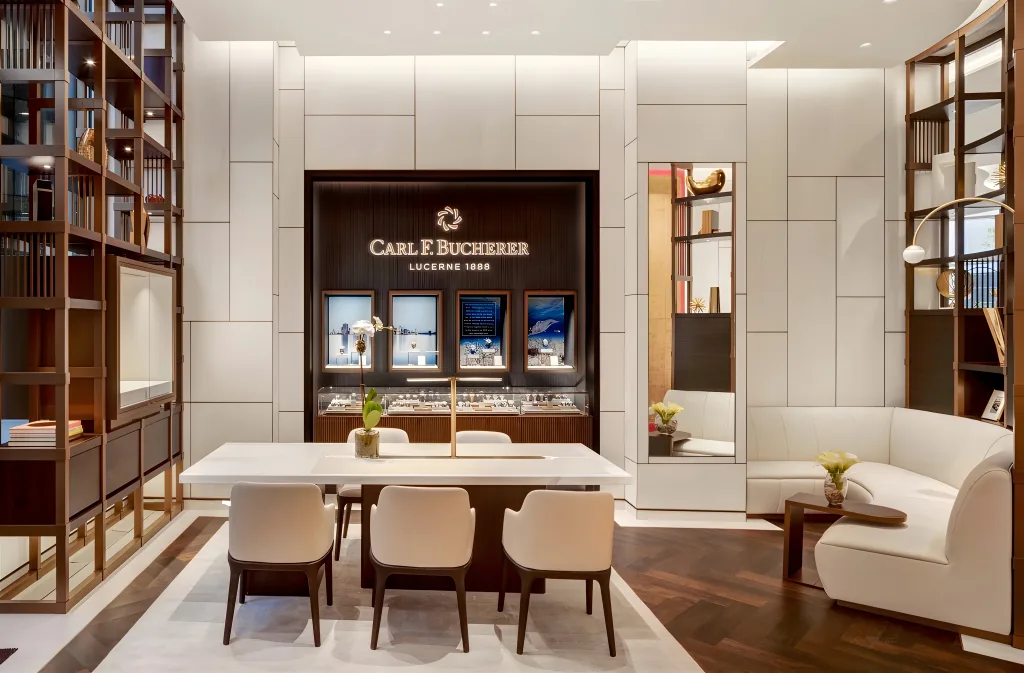
For high – end jewelry stores, VIP and consultation rooms are essential. These rooms provide a private and exclusive space for customers to have a more personalized shopping experience. VIP rooms can be decorated with luxurious furnishings, high – quality lighting, and comfortable seating. They can also be equipped with advanced technology such as digital displays or magnifying tools to help customers examine jewelry in detail. Consultation rooms are used for more in – depth discussions with customers, such as custom – jewelry design consultations or investment – grade jewelry purchases.
Material Selection: Quality and Aesthetics
The materials used in a jewelry store’s interior design contribute to its overall quality, durability, and aesthetic appeal.
5.1 Flooring
Flooring materials should be chosen based on their durability, ease of maintenance, and aesthetic value. Materials such as marble, hardwood, or high – quality ceramic tiles are often preferred for jewelry stores. Marble gives a sense of luxury and elegance, while hardwood adds warmth and a natural feel. Ceramic tiles are available in a wide range of colors and patterns, allowing for more design flexibility. Additionally, the texture of the flooring should be considered to ensure that it is slip – resistant and comfortable for customers to walk on.
5.2 Wall Finishes
Wall finishes can enhance the overall look of the store. Painted walls are a common choice, and the paint should be of high quality to ensure a smooth and long – lasting finish. Wallpapers can also be used to add texture and pattern to the walls. For a more luxurious look, materials such as silk, leather, or fabric wall coverings can be considered. These materials add a touch of opulence and can be used in areas such as the VIP rooms or the entrance.
5.3 Furniture and Fixtures
Furniture and fixtures in a jewelry store should be made of high – quality materials. Display cabinets, chairs, and tables should be sturdy and well – crafted. Materials such as solid wood, metal, and glass are commonly used. The design of the furniture and fixtures should also be in line with the overall design theme of the store, creating a cohesive and harmonious look.
In conclusion, the spatial design of a jewelry store is a complex and multi – faceted process that requires careful consideration of various elements. Lighting, display design, color scheme, space allocation, and material selection all work together to create a unique and inviting shopping environment. By paying attention to these key elements, jewelry store owners and designers can create a space that not only showcases the jewelry in the best possible way but also provides customers with a memorable and enjoyable shopping experience, ultimately leading to increased customer satisfaction and business success.