How Jewelry Store Island Showcase Design Influences Customer Dwell Time
26 August, 2026




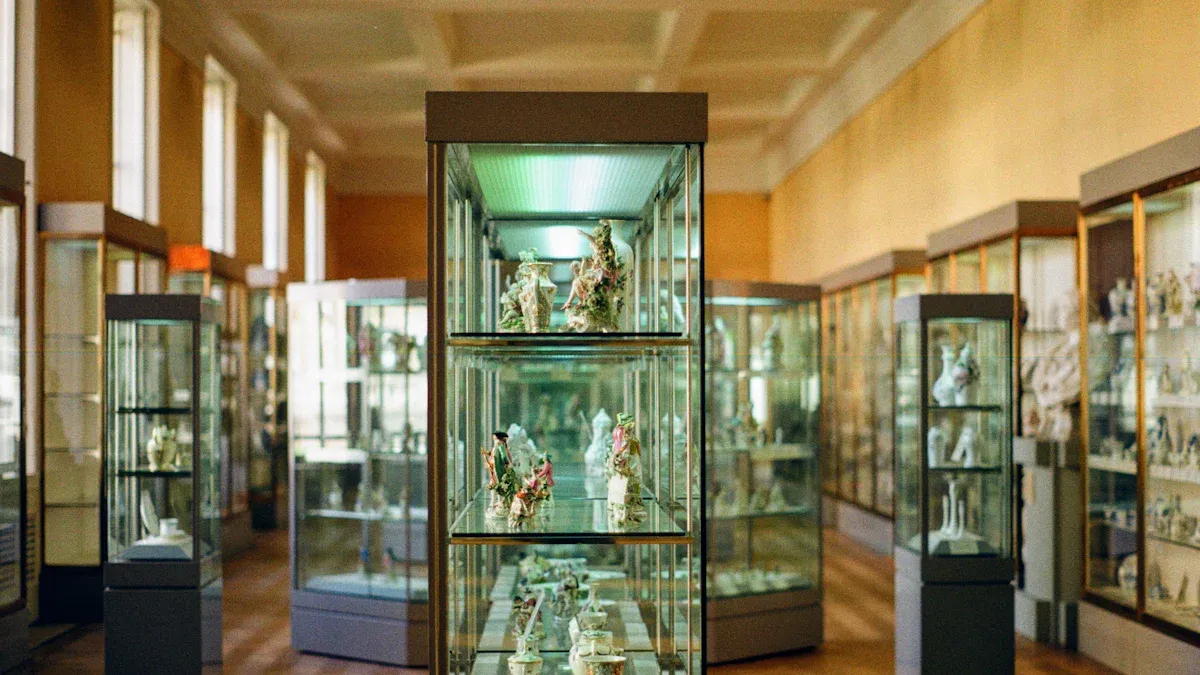
You can choose a museum display cabinet style for your city. The best cabinet keeps artifacts safe from weather and people touching them. It helps visitors see and enjoy the items easily. Good security features protect important pieces but do not block your view. You should think about your city’s weather, safety needs, space, culture, and money. Each city is different, so pick a cabinet that fits your museum’s needs.
People do not always think about weather when picking a museum display cabinet. But the climate is very important. Humidity, temperature, and air pollution can hurt artifacts if you do not plan. If your city is hot and wet, you need cabinets that keep water out. In cold or dry places, you want to stop big changes in temperature. Museums use different ways to control the air inside cabinets. Look at this table to see some common ways:
| Climate Control Strategy | Description |
|---|---|
| Box within a box | The building is the outside box. The exhibit room is the next layer. The exhibit case makes the air around the object. |
| Sealed exhibit cases | These cases are closed tight. They keep out humidity changes. Silica gel helps keep the air steady. |
| Insulation measures | Cabinets should not touch outside walls. Insulation and special glass help control heat and wetness. |
You can also use things like silica gel, dehumidifiers, and hygrometers to keep the air inside just right. Museums in hot, wet cities need different cabinets than museums in deserts or mountains. Always check your city’s weather before you pick a display cabinet.
You want your museum items to stay safe. Security features in museum display cabinets stop theft and damage. Some cabinets use screws, locks, and brackets that are hard to open. Others have alarms that go off if someone tries to open or move them. Here are some top security features:
| Security Feature | Description |
|---|---|
| Tamper-resistant fasteners | Stops people from opening the cabinet without permission. |
| Dual locking system | Needs two keys or codes to open, so it is harder for thieves. |
| Alarmed pressure pads | Makes an alarm sound if someone pushes or shakes the cabinet. |
| Glass-break sensors | Sounds an alarm if the glass breaks. |
| Proximity alarms | Warns staff if someone gets too close to valuable objects. |
| Shatter-resistant security glazing | Stops glass from breaking and keeps objects safe. |
Keeping items safe from harm is just as important as stopping theft. Airtight cabinets keep out dust and dirty air. Cabinets made from special materials, like some glass or stainless steel, do not give off bad chemicals. This helps protect fragile items for a long time.
Every museum has a different shape and size. Some rooms are big and open. Others are small or have strange shapes. You need to think about how much space you have and how people will walk around. Space-saving designs let you show more things without making the room crowded. Here are some smart ideas:
| Feature | Description |
|---|---|
| High-Density Storage | Uses shelves and small cabinets that move to save space. |
| Customizable Options | Cabinets come in many sizes and shapes to fit your room. |
| Preservation Standards | Even small cabinets keep out dust, wetness, and heat changes. |
You can put cabinets in ways that help visitors see everything. A good layout makes it easy for people to look at all the displays and move around.
Tip: Custom cabinets can fit in corners or along walls. This helps you use every bit of space in your museum.
Every city has its own style and history. The museum display cabinet you pick should match your exhibits. Some museums want wood cabinets for a warm, old look. Others like glass or metal for a modern style. Many museums now get custom cabinets that fit their needs and show off their collections well.
You also need to think about how much money you have. Museum display cabinets can cost a few hundred dollars or almost two thousand. The price depends on what features you want. Here is a chart that shows some price ranges for cabinets with special features:
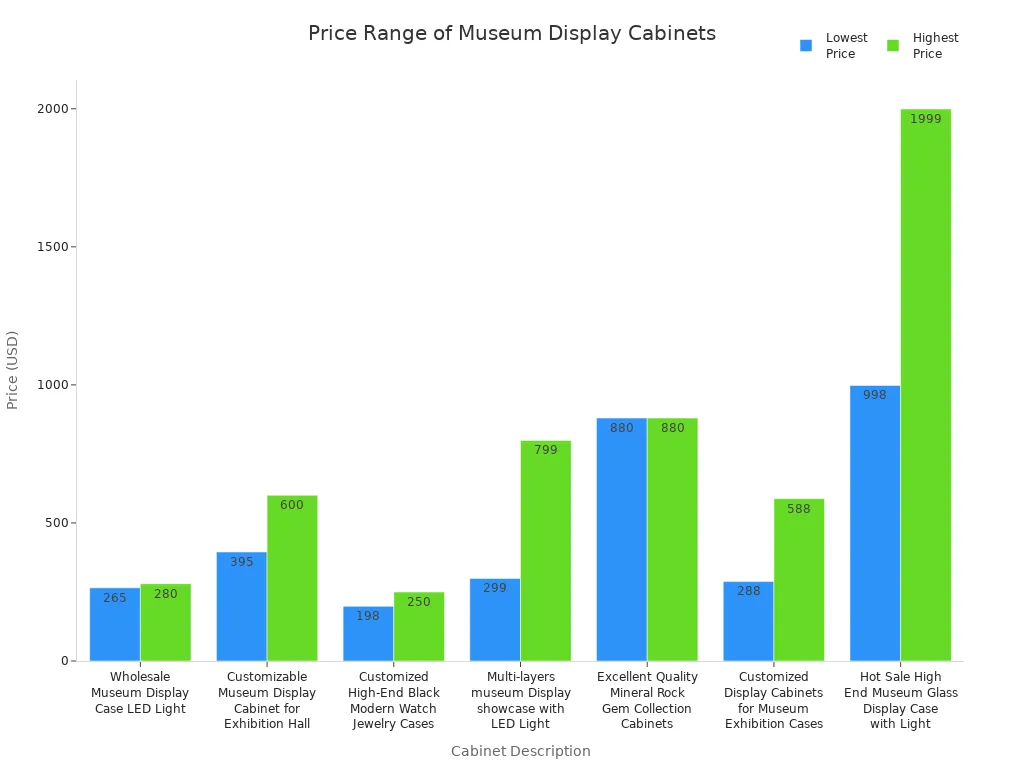
When you choose a museum display cabinet, think about your city’s weather, safety, space, style, and money. The right cabinet will keep your treasures safe and make your museum a fun place to visit.
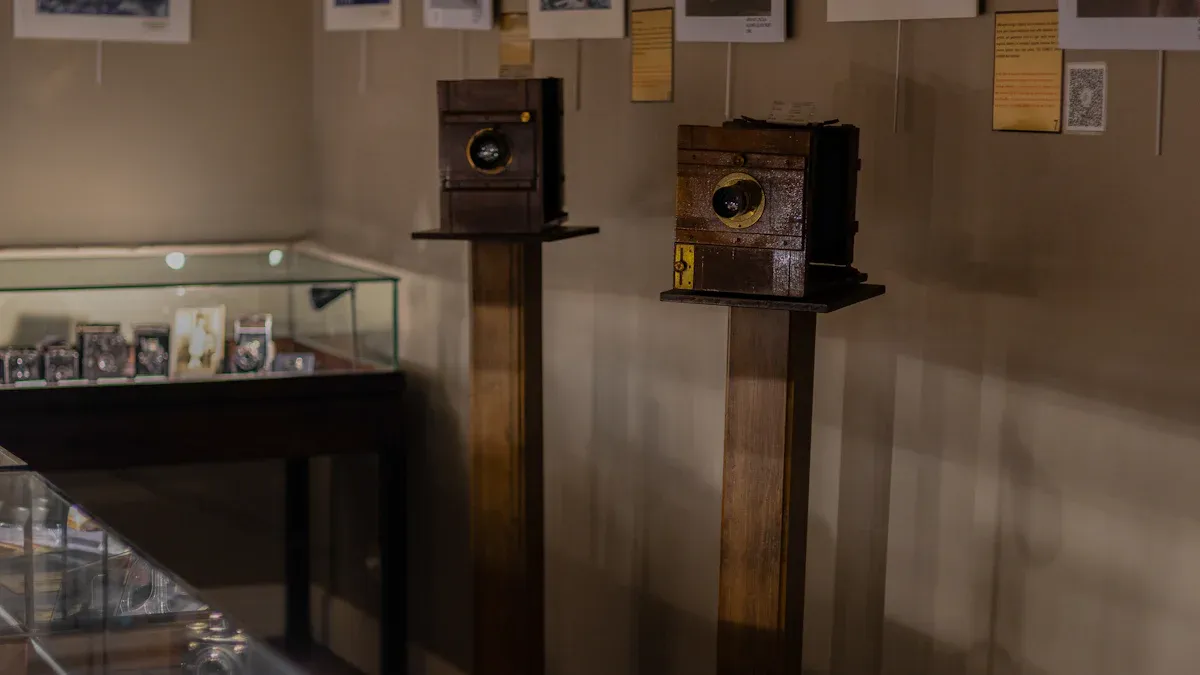
Classic wood museum display cabinets look nice and never go out of style. They make exhibits feel warm and fancy. These cabinets are great for history museums and art galleries. They fit places that want a classic look. You can pick dark or bright colors to match your exhibit.
Here is what makes classic wood cabinets special:
| Feature/Use Case | Description |
|---|---|
| Classic aesthetic | Works with many exhibits and makes them look better. |
| Durability | Stays strong and keeps items safe for a long time. |
| Custom finishes | You can paint or stain the wood to match your style. |
| Integrated shelving | Shelves move so you can change your display. |
Tip: Pick wood cabinets if your museum has old buildings or classic art. They will fit in well.
Modern glass cabinets help your exhibits stand out. Visitors can see everything from all sides. The glass is strong and keeps your items safe. Many cabinets have locks, alarms, and smart features for more security.
Modern glass cabinets have these features:
Many glass cabinets have climate control and digital checks. Some, like the BOSSMEN Museum Fixed Display Case, use special tech to keep air perfect for your items. You can trust these cabinets to protect and show off your collection.
Metal and modular cabinets are good if you want to change things often. They use light aluminum or steel, so you can move them easily. These cabinets are great for museums that switch exhibits or need to save space.
Here is why metal and modular cabinets are a good choice:
| Feature | Description |
|---|---|
| Flexibility | Change the setup fast for new exhibits. |
| Ease of Assembly | Put together or move cabinets without tools. |
| Dynamic Displays | Use cables for displays that can move and change. |
You can also swap out panels or add new parts. This makes your cabinet ready for any event or show.
Digital and interactive cabinets make museums fun and exciting. These cabinets use screens, touch panels, and even AR to help people learn. Visitors can zoom in on pictures, watch videos, or listen to stories.
Common features are:
| Feature | Description |
|---|---|
| Interactive Displays | Let visitors touch and explore in new ways. |
| Kiosks | Help people find their way and give more info with video and sound. |
| Augmented Reality (AR) | Shows digital effects and extra info to bring objects to life. |
Museum display cabinets today do more than just show objects. They connect with visitors before, during, and after their visit. These cabinets help share stories, get donations, and make people want to come back.
Old cities have special buildings and streets. Museums here want displays that fit in with history. Wood cabinets with classic looks are a good choice. They make the museum feel warm and show respect for the past. You can pick cabinets with special colors or carved designs. These details help your exhibits look like they belong. Soft lights can make artifacts stand out but not look too new.
Tip: Use cabinets made from hardwood and glass. They last long and keep your items safe.
Big cities are busy and crowded. Museums get lots of visitors every day. You need cabinets that save space and protect things. Many museums use display cases built into walls. Some use cases that stand against walls. These leave more room for people to walk. You can also put cabinets in the middle of rooms. This lets visitors see objects from every side.
Here’s a quick look at popular choices:
| Style Type | Description |
|---|---|
| Recessed Wall Display Cases | Built into walls for security and space-saving |
| Floor Standing Wall Display Cases | Stand against walls, cost less, and maximize space |
Museums in cities use strong materials and good locks. Storage systems help you fit more in small spaces.
Museums near the ocean have to fight salt and wet air. These things can hurt displays. Cabinets need to stop rust and water. Glass, hard plastics, and coated metals work well. Teak and marine plywood are good for tough weather. Stainless steel and brass parts do not rust and stay nice.
| Material | Resistance to Moisture | Resistance to Salt | Notes |
|---|---|---|---|
| Teak | High | High | Great for harsh climates |
| Marine-grade plywood | Very High | High | Made to resist water damage |
| Stainless steel | High | High | Stays shiny and strong |
You can put silica gel inside cabinets to keep air dry. Always pick materials that protect your collection from sea air.
Small towns have smaller museums and less money. You can still make your displays look nice. Freestanding cases work well in these places. They do not need extra support and let people see things from all sides. These cases are good for small or medium items.
| Feature | Description |
|---|---|
| Style | Freestanding cases, easy to move and set up |
| Design | 4 or 5 glass sides for clear views |
| Suitability | Good for small budgets and smaller artifacts |
A smart design saves money and keeps things safe. You can make a great museum, even in a small town.
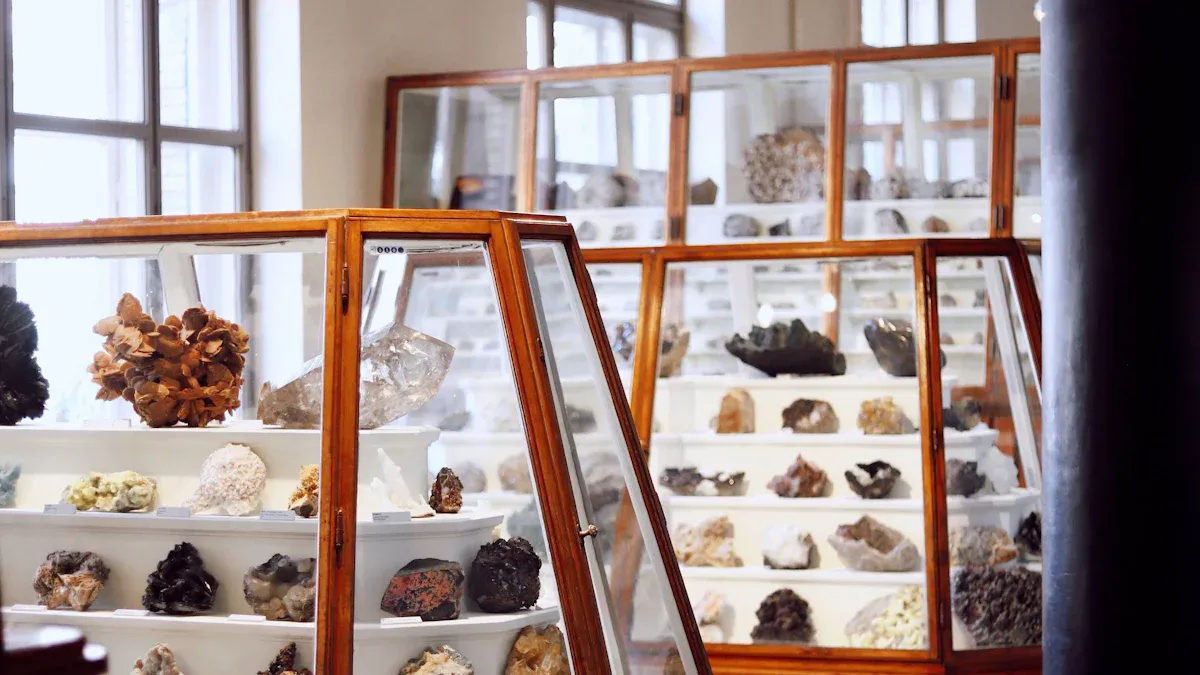
You want your display cabinets to last a long time. They also need to keep your artifacts safe. The materials you pick are very important. Some materials stop moisture, dust, and bugs. Others help control the air inside the cabinet. Airtight seals and special coatings are good to have. These features stop bad chemicals from hurting your collection. Heavy-gauge welded steel is strong for tough places. UV-resistant glass blocks sunlight that can fade objects. Here is a table to help you compare:
| Feature | Why It Matters |
|---|---|
| Airtight Seals | Keep out moisture, dust, and pests |
| Non-Off-Gassing Coating | Protects artifacts from harmful chemicals |
| UV-Resistant Glass | Stops fading and discoloration |
| Durable Finishes | Guards against scratches and handling damage |
| Pest-Proof Design | Keeps bugs away from your treasures |
Tip: Pick stable materials that do not give off gases. This keeps your artifacts safe for many years.
Lighting helps people see your displays better. But it can also hurt your artifacts if you are not careful. You want to show your collection without causing harm. LED lights are best because they stay cool. They do not give off much UV or infrared light. You can choose the color of the light. Warm lights look nice on old things. Cool lights make modern items stand out. Here is a table about how lighting affects your displays:
| Factor | Preservation Impact | Visibility Impact |
|---|---|---|
| Light Intensity | Too bright can cause damage | Makes items easy to see |
| Color Temperature | Affects how long items last | Changes how colors look |
| LED Technology | Safe and energy efficient | Shows true colors |
| Fixture Arrangement | Reduces glare and fading | Improves viewing experience |
You can use dimmers or filters to control the light even more.
Everyone should be able to enjoy your museum. You can add things that help all visitors. Lower shelves and wide aisles help people in wheelchairs. Handles and doors should be easy to use. Labels with big print or braille help people read about your displays. You can also use touch screens or audio guides for more information.
Note: When you plan your cabinets, think about every visitor. Small changes can help a lot.
Picking the right museum display cabinet for your city really matters. You want to keep your treasures safe, show off your city’s style, and make sure everything fits your space. When you talk with professionals, you can:
Take time to think about what your city needs. The right choice helps your museum shine.
Pick strong materials that protect your items. Glass, hardwood, and stainless steel are good choices. MDF or acrylic can save money. Always use materials that do not give off bad gases. This keeps your artifacts safe.
Use sealed cabinets with silica gel or climate controls. These help keep the air inside steady. In wet places, check cabinets often. Replace silica gel when it changes color.
Yes! You can pick the size, shape, and color you want. Many companies let you add special lights, locks, or digital screens. Custom cabinets help match your museum’s style and space.
Lower shelves and wide aisles help all visitors. Easy handles make cabinets simple to open. Add big print labels or braille for people who need them. You can also use audio guides or touch screens for more information.