How Jewelry Store Island Showcase Design Influences Customer Dwell Time
26 August, 2026




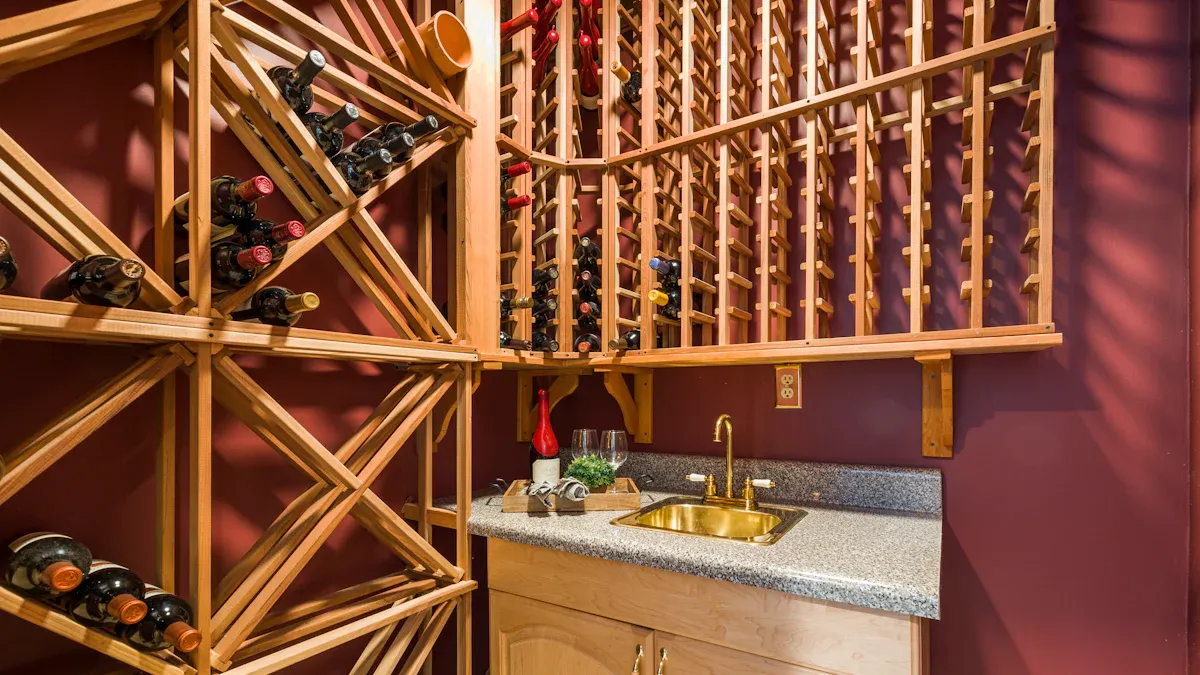
When you pick a wine cabinet, the wood matters more than you might think. The best wood can keep your wine safe, last for years, and make your space look great. Don’t just focus on looks. Think about how the wood protects your wine collection.
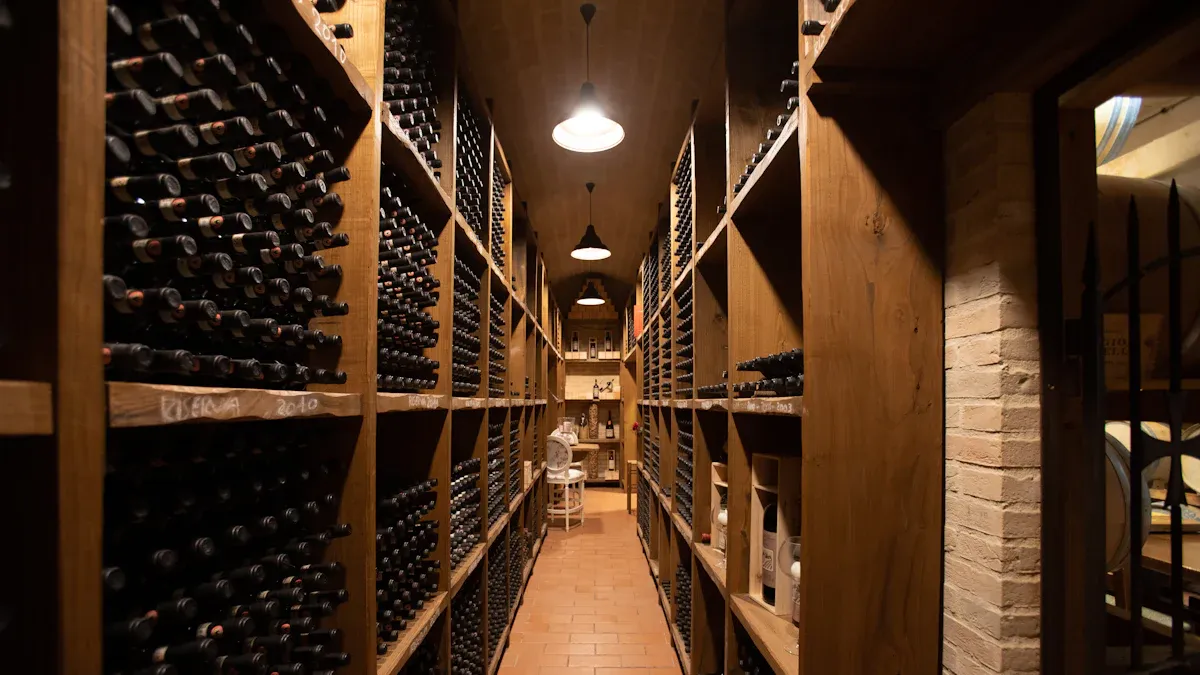
When you store wine, the environment inside your cabinet matters a lot. The wood you choose can change how your wine ages. Some woods let in more air, while others keep things tight. If you pick the best wood, you help control the oxygen that reaches your bottles. This is important because too much air can spoil your wine, but just the right amount helps it develop flavor.
You want your wine to taste great every time you open a bottle. The right wood helps make that happen.
You want your wine to stay safe and fresh. The wrong wood can let in too much moisture or even give off bad smells. Some woods can warp or crack, which might let mold grow inside your cabinet. That’s not something you want near your wine collection.
Choosing the best wood means you protect your wine from these problems. You keep the bottles safe from changes in temperature and humidity. You also avoid unwanted odors that could ruin the taste of your wine. When you care about your wine, you care about the wood that holds it.
You want your wine cabinet to last for years. Stability matters because wood can change shape if the air gets too humid or dry. Mahogany and redwood stand out for their ability to resist warping and pests. Oak also gives you strong support and keeps its shape well. Pine works if you treat it right, but it can dent more easily.
Tip: If you live somewhere with changing weather, choosing the best wood for stability helps protect your wine.
| Wood Type | Stability Features |
| Mahogany | Durable, warp-resistant, pest and mold resistant |
| Redwood | Performs well in humid environments, resistant to mildew and decay |
| Oak | Strong, dense, offers visual and structural integrity |
| Pine | Cost-effective, versatile, can hold up well with treatment |
Moisture can ruin wine and damage your cabinet. The best wood keeps water out and stops mold from growing. Redwood and cherry are great because they fight off decay and don’t warp easily. Mahogany also does well in damp spaces.
You don’t want your wine to pick up strange smells. Some woods give off strong scents, which can affect your wine. Mahogany is non-aromatic, so it won’t mess with the flavor. Redwood and oak also keep odors low.
Note: Picking the best wood with low odor helps your wine taste just how it should.
Looks matter, too. The best wood gives your cabinet a beautiful finish. Mahogany has a classic, rich look. Redwood offers soft earth tones and stands out in any room. Walnut and oak show off straight grains and take stains well. Pine is easy to customize and fits many styles.
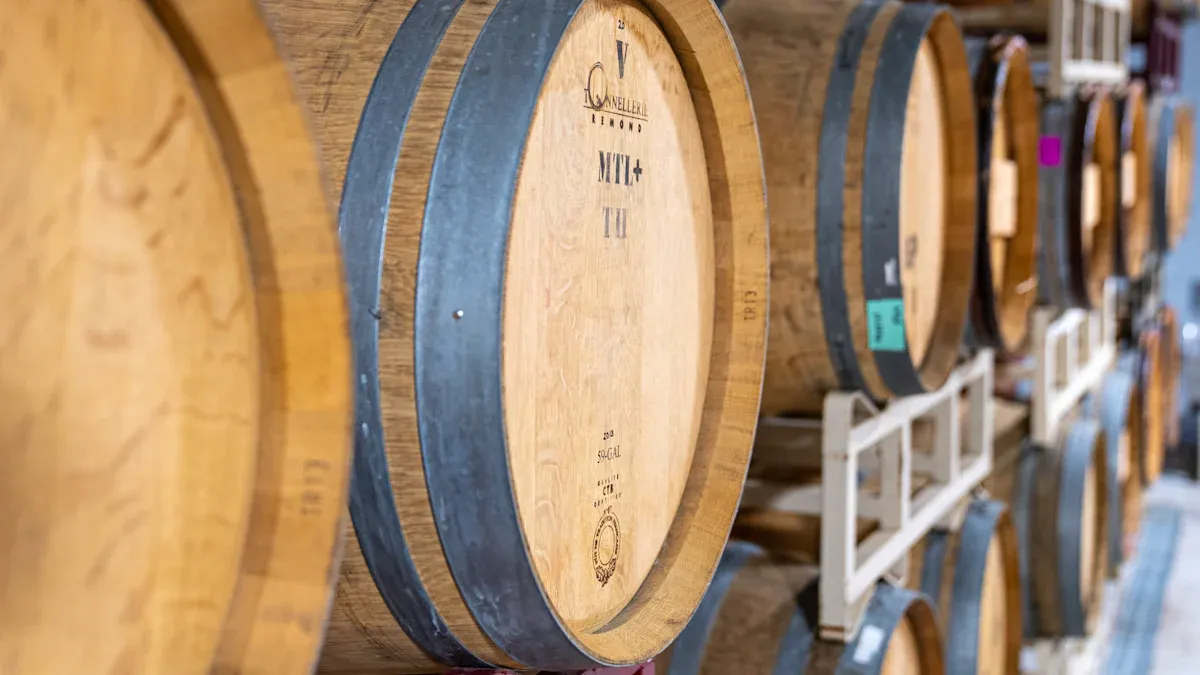
Many wine cabinets use mahogany for a reason. Mahogany is strong and looks nice. It does not bend or rot easily. This keeps your wine safe, even if it is damp. The wood grain is smooth and rich, giving a classic style.
Mahogany has been used for a long time in wet places. People use it for boats and furniture. That is why it is good for wine racks. Mahogany is easy to use and lasts a long time. It holds screws better than other woods. Redwood can rot more, and pine does not stop rot. Poplar, oak, and cherry do not stop mold, so they are not good for wine storage.
Mahogany costs more than some woods. But it lasts a long time. If you want wood that looks good and protects your wine, mahogany is a great choice.
Redwood is another top pick for wine cabinets. It fights off rot and bugs by itself. You do not have to worry about mold or insects. Redwood does well in cold and wet places. This makes it great for wine storage.
Redwood racks last a long time. You do not need to add extra stains or finishes. The wood is already strong. The color is soft and earthy. This helps your cabinet stand out in a gentle way.
Redwood can cost more, but you save on care. If you want a cabinet that handles wet air and lasts, redwood is a smart choice.
Walnut gives your cabinet a dark, rich look. Each walnut cabinet has its own grain pattern. This makes every cabinet special. Walnut is strong and can handle some water. This helps keep your wine safe.
Walnut costs more than oak and pine. It is about the same price as mahogany. You pay for how nice and strong it is. If you want a fancy cabinet that lasts, walnut is a good pick.
| Feature | Walnut | Oak | Mahogany | Pine |
| Cost | Premium | Mid-range to premium | Premium | Budget-friendly |
Sapele is not as common, but it is strong. The wood has bold stripes that catch your eye. Sapele is hard and dense. It does not scratch or dent easily. It is good if you want a cabinet that stands out.
| Attribute | Sapele | Mahogany |
| Grain Pattern | Bold stripes | Even and straight |
| Density | Very hard | Very stable |
| Aesthetic Appeal | Bold and full of character | Fancy and simple |
Sapele is harder to find and may cost more than oak or pine. If you want wood that is bold and tough, sapele is a good choice.
Cherry wood gives your cabinet a warm, red color. The color gets deeper as it ages. The grain is smooth and feels nice. Cherry is strong and lasts a long time if you care for it.
Cherry costs more than pine or oak. But it looks better as it gets older. If you want a classic look and do not mind caring for it, cherry is a good choice.
Pine is a cheaper choice for wine cabinets. It is easy to work with and takes paint or stain well. You can match it to your style. Pine is light, so you can move it easily.
Pine does not stop rot or mold like mahogany or redwood. You need to keep it dry and clean. Pine can dent or scratch more, but it is good if you want to save money and still have a nice cabinet.
Oak is popular because it is strong and not too expensive. The grain is bold and looks good in many homes. Oak fits both modern and classic styles.
Oak does not stop mold as well as mahogany or redwood. But it is still a good value. If you want a strong cabinet that is not too costly, oak is a smart pick.
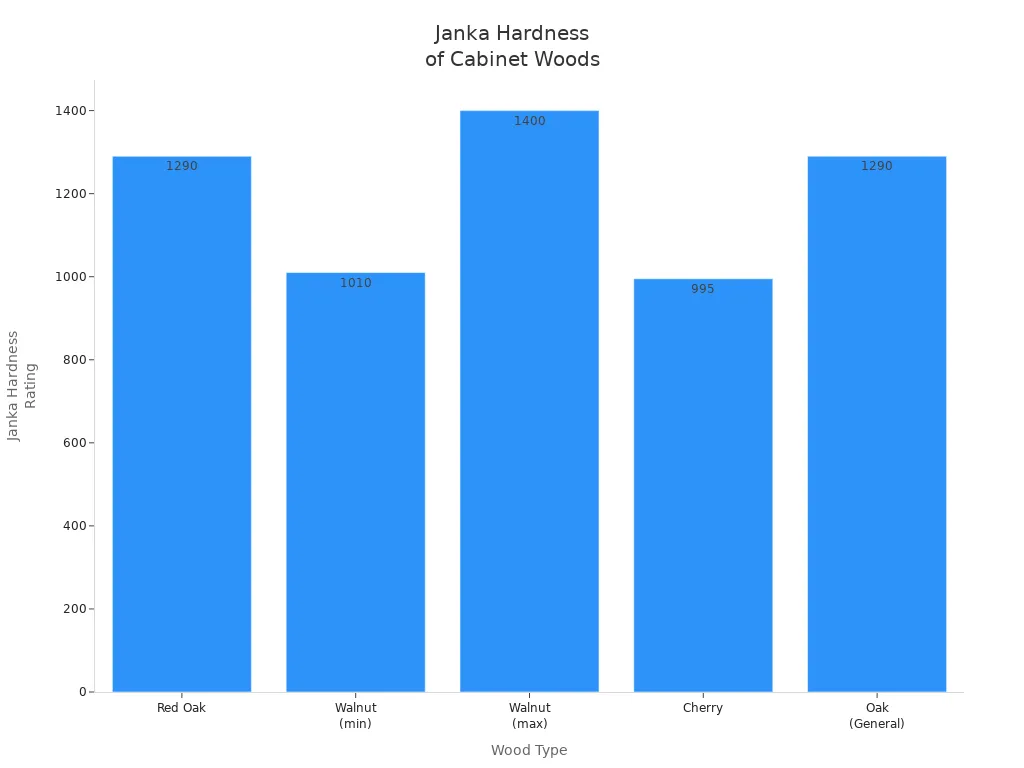
Here is how these woods compare for wine cabinets:
| Wood Type | Janka Hardness Rating | Notable Characteristics | Price Range | Key Maintenance Requirements |
| Mahogany | Not mentioned | Fine, straight grain; Deep reddish-brown; Natural decay resistance | $280-$420 per wall unit | Keep out of sun; Clean spills fast; Use coasters |
| Red Oak | 1,290 | Pink-red color; Bold grain; Takes stain well | $1,500-$4,000 per kitchen | Clean with dry cloth; Wipe with the grain; Clean spills fast |
| Walnut | 1,010-1,400 | Dark brown; Unique grain; Handles water | $280-$420 per wall unit | Use soft cloth; Clean with vinegar; Wax twice a year |
| Cherry | 995 | Smooth grain; Reddish-brown; Gets darker with age | $5,000-$30,000 per kitchen | Clean daily; Keep out of sun; Clean spills fast |
| Oak (General) | 1,290 | Wavy grain; Handles water; Cathedral patterns | $400-$600 per foot | Use soft cloth; Clean spills fast; Keep humidity steady |
If you want wood that lasts and stops water, pick mahogany or redwood. They cost more but protect your wine and last for years. Walnut and cherry look fancy, but cost more and need more care. Sapele is good if you want bold and tough wood. Pine and oak are cheaper and work well if you keep them dry and clean.
If you want a wine cabinet that lasts, looks nice, and keeps your wine safe, picking the best wood is very important.
You want your wine cabinet to last for years. Warping can ruin that plan. When wood bends or twists, your cabinet doors may not close right. Bottles might not sit flat. This happens when wood faces too much moisture or sudden changes in temperature. Pine and other soft woods warp more easily. If you live in a place with lots of humidity, pick a wood that stays stable. Always keep your cabinet away from direct sunlight and heat vents.
Tip: Use a hygrometer to check the humidity around your wine cabinet.
Strange smells can sneak into your wine if you pick the wrong wood. Some woods, like French and American oak, release natural compounds. These can add flavors like dried fruit, roasted almonds, coconut, or even celery to the air. You might notice these scents from furfural, whisky lactones, or guaiacol. While these aromas work well in wine barrels, they can spoil the taste of wine stored in a cabinet. You want your wine to taste just as the winemaker intended. Choose the best wood that does not give off strong odors.
Mold is a big problem for wine cabinets. It grows fast in damp, dark places. If your cabinet traps moisture, mold can spread on the wood and even on your wine labels. Mold not only looks bad but can also make your wine smell musty. To stop mold, pick a wood that resists moisture. Redwood and mahogany work well. Keep your cabinet clean and dry. Wipe up spills right away.
Remember: Good airflow keeps mold away.
You want a wine cabinet that fits your wallet. Start by thinking about how much you want to spend. Pine and alder cost less and still look nice. Alder gives you a rustic feel without breaking the bank. Oak sits in the middle range and offers strength and style. Mahogany, walnut, and cherry cost more, but they last longer and look fancy. If you want the best wood for your money, balance price with how long you want your cabinet to last.
Tip: If you plan to keep your cabinet for many years, spending a bit more now can save you money later.
Your local weather matters when you pick wood. If you live in a humid place, choose wood that fights off moisture and mold. Mahogany stands up to damp air and resists decay. Redwood also works well in wet climates and keeps mold away. Walnut protects against insects and moisture. Cherry resists rot and stays strong. Oak stays stable even when the weather changes. You keep your wine safe by picking wood that matches your climate.
Your cabinet should match your home’s look. Mahogany brings a rich, reddish-brown color and feels luxurious. Redwood shows off colors from light pink to deep red and fits many styles. Oak works with classic and modern rooms because you can stain it any shade. Black walnut gives a sleek, modern vibe with dark hues. Alder adds a cozy, rustic touch. Pick a wood that fits your taste and makes your space feel special.
Remember: The right wood makes your wine cabinet stand out and keeps your wine safe.
You want your wine cabinet to last and look great. Picking the best wood helps keep your wine safe, your cabinet strong, and your space stylish.
Stay away from softwoods like untreated pine. These can warp, absorb moisture, and let in odors that might ruin your wine.
You can use reclaimed wood if it’s dry, clean, and mold-free. Make sure it doesn’t have strong smells or old paint.