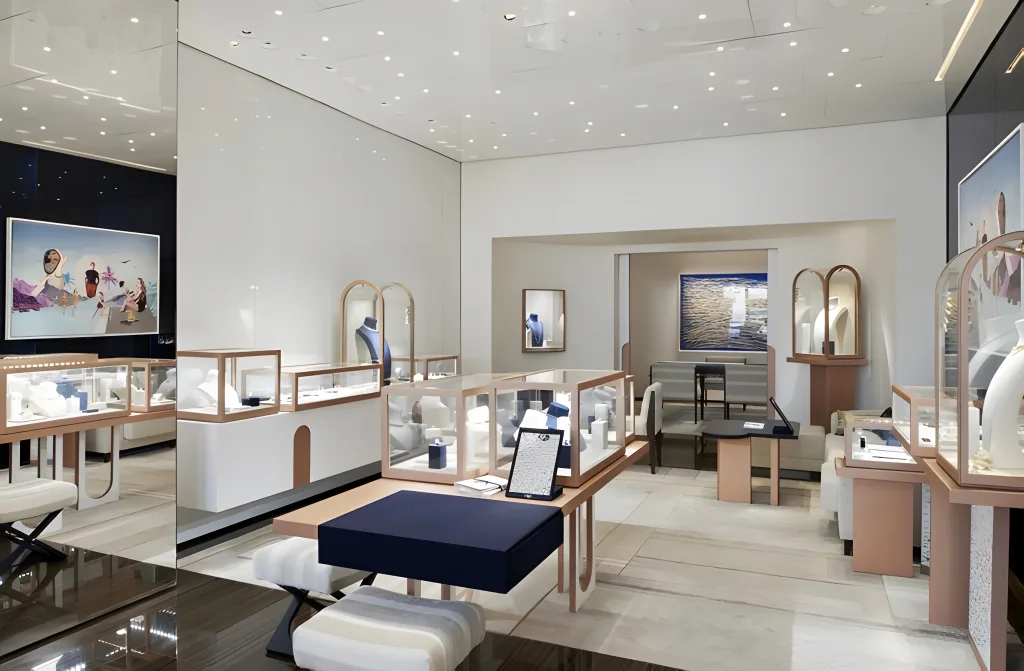
In a world where consumer preferences are becoming increasingly discerning, designing a unique jewelry store is not just about showcasing exquisite pieces; it’s about creating an immersive and unforgettable shopping experience. A well – designed jewelry store should seamlessly blend aesthetics, functionality, and brand identity to attract customers and leave a lasting impression. This article will explore the key elements and creative strategies involved in crafting a one – of – a – kind jewelry store.
Brand Identity: The Foundation of Design
Before delving into the physical aspects of the store design, it is crucial to have a clear understanding of the brand identity. The brand’s values, target audience, and unique selling proposition should serve as the guiding principles for every design decision. For example, a high – end luxury jewelry brand may aim to convey elegance, exclusivity, and sophistication through its store design, while a contemporary and trendy jewelry brand might focus on a more modern, edgy, and playful aesthetic.
The brand’s logo, color palette, and overall visual language can be translated into various design elements within the store. The logo can be incorporated into the store’s signage, displays, and even the flooring. The chosen color palette should be consistent throughout the store, from the walls and furniture to the packaging and promotional materials. By maintaining a strong brand identity in the design, customers will have a more cohesive and memorable experience, which helps in building brand loyalty.
Space Planning and Layout
The layout of a jewelry store plays a vital role in guiding customers through the shopping journey. A well – planned layout should facilitate easy navigation, encourage exploration, and create a sense of flow. One common approach is to divide the store into different zones based on the type of jewelry being sold, such as engagement rings, necklaces, bracelets, and earrings. Each zone can have its own distinct design and ambiance to highlight the unique characteristics of the jewelry pieces.
The entrance of the store is the first impression customers have, so it should be inviting and attention – grabbing. It can feature a statement display, such as a large – scale jewelry installation or a showcase of the brand’s signature pieces. As customers move further into the store, the layout should gradually reveal more jewelry collections, with each section leading seamlessly to the next. Consider creating focal points within the store, such as a central island display or a VIP viewing area, to draw customers’ attention and add an element of surprise.
In addition to the display areas, it is essential to allocate sufficient space for customer service, such as a consultation counter and seating areas. These spaces should be comfortable and private, allowing customers to have in – depth discussions with sales associates about their jewelry needs and preferences.
Interior Design and Decor
The interior design of a jewelry store sets the overall mood and atmosphere. From the choice of materials to the furniture and decorative elements, every detail contributes to the store’s unique character. For a luxury jewelry store, materials like marble, high – quality wood, and plush fabrics can be used to create a sense of opulence. These materials can be incorporated into the flooring, countertops, and display cases.
In contrast, a more contemporary jewelry store might opt for sleek and minimalist materials such as stainless steel, glass, and concrete. The use of unconventional materials can also add a touch of uniqueness. For example, recycled materials, reclaimed wood, or natural stones can be used to create a more sustainable and eco – friendly design, which may resonate with environmentally conscious customers.
Furniture in a jewelry store should not only be functional but also aesthetically pleasing. Display cases should be designed to showcase the jewelry in the best possible light, with features like adjustable lighting, anti – glare glass, and secure locking mechanisms. Seating areas can be furnished with comfortable sofas or armchairs that match the overall design theme of the store. Decorative elements such as artworks, sculptures, and plants can add personality and warmth to the space, making it more inviting for customers.
Lighting Design
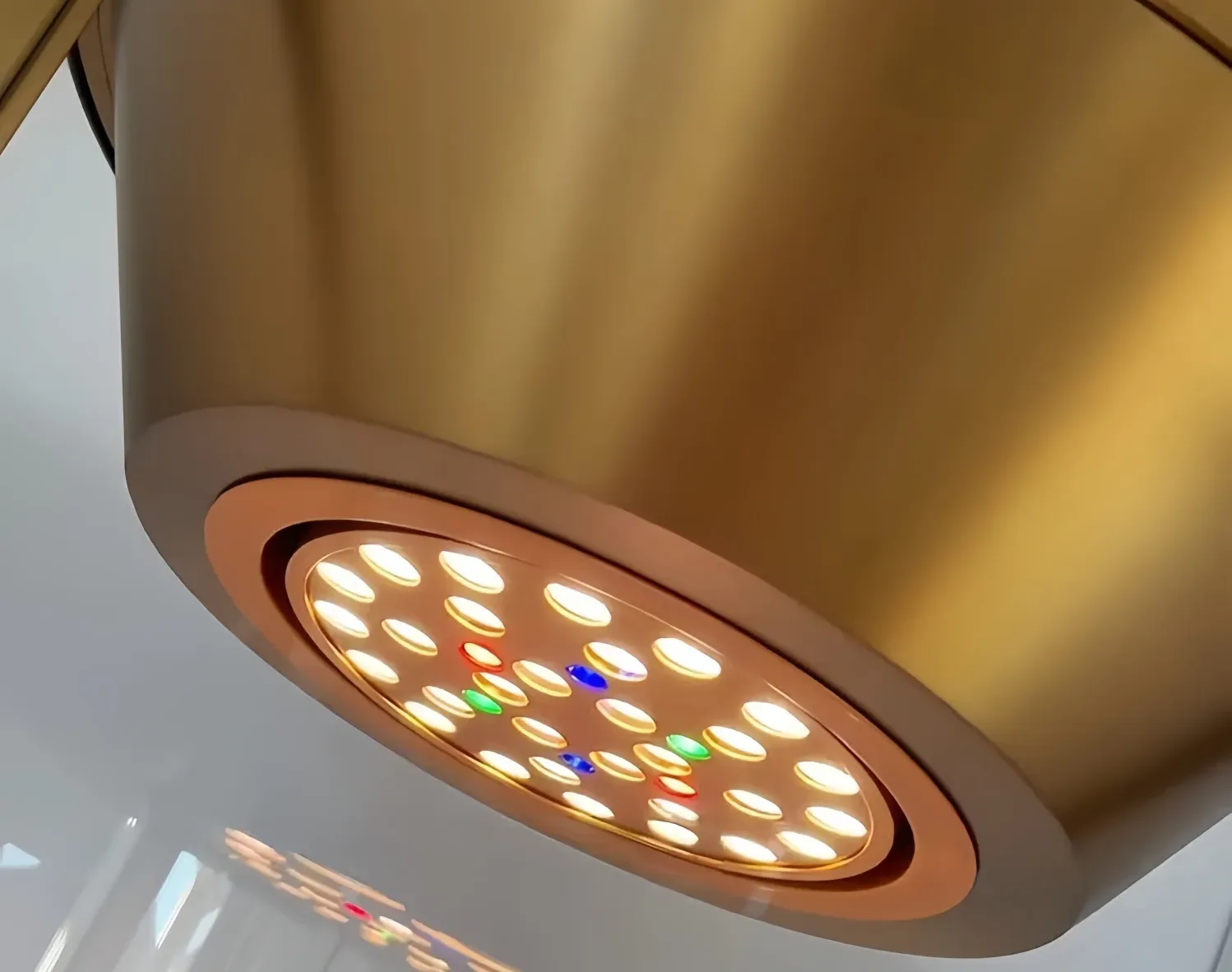
Lighting is one of the most critical elements in a jewelry store design, as it can significantly enhance the appearance of the jewelry and create a desired ambiance. A combination of ambient, task, and accent lighting is typically used. Ambient lighting provides overall illumination for the store, ensuring that customers can see clearly and feel comfortable. This can be achieved through ceiling – mounted fixtures, such as recessed lights or pendant lights.
Task lighting is focused on specific areas, such as the display cases and consultation counters, to provide adequate illumination for customers to examine the jewelry closely. LED strip lights or adjustable spotlights can be used for this purpose. Accent lighting, on the other hand, is used to highlight key jewelry pieces or areas of the store, creating a sense of drama and drawing customers’ attention. This can be achieved through techniques like backlighting, side lighting, or using colored lights to create a unique visual effect.
It is important to consider the color temperature of the lighting as well. Warm – toned lights (around 2700 – 3000K) can give jewelry a rich and luxurious look, making gold and other warm – colored metals stand out. Cool – toned lights (around 4000 – 5000K), on the other hand, can enhance the brilliance of diamonds and other clear gemstones. By carefully controlling the lighting, jewelry stores can showcase their products in the most flattering way possible.
Sustainability and Green Design
With the growing awareness of environmental issues, sustainability has become an important consideration in store design. Jewelry stores can adopt green design principles by using energy – efficient lighting, recycled materials, and sustainable building practices. Installing solar panels on the store’s roof can help reduce energy consumption, while using low – VOC (volatile organic compound) paints and finishes can improve indoor air quality.
In conclusion, designing a unique jewelry store requires a holistic approach that takes into account brand identity, space planning, interior design, lighting, technology, and sustainability. By carefully considering each of these elements and combining them in a creative and harmonious way, jewelry store owners can create a shopping environment that not only showcases their products beautifully but also provides customers with an exceptional and memorable experience. A unique jewelry store is not just a place to buy jewelry; it is a destination that tells a story, evokes emotions, and builds a connection with the customers.