How Jewelry Store Island Showcase Design Influences Customer Dwell Time
26 August, 2026




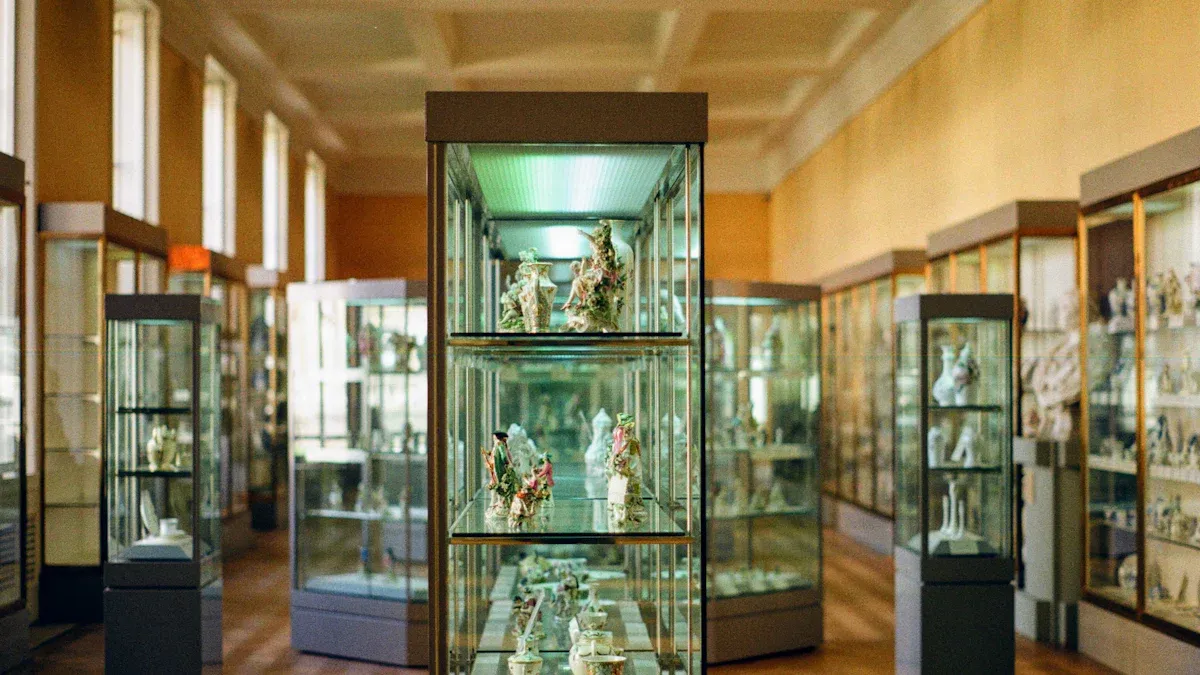
Cultural relics are very important for history and art. Many of these items are delicate and need special care. A display cabinet does more than just show the item. It also helps protect the artifact from harm. Museums and collectors want cabinets that are safe and look nice. The best cabinet can keep a cultural relic safe for a long time. It also lets people enjoy how beautiful it is.
Cultural relic display cabinets need to keep artifacts safe from harm. Earthquakes, shaking, and falling things can hurt them. Cabinets use fasteners or nylon lines to hold items still. Big or breakable pieces may need special supports made of rubber or steel. Some buildings have strong floors to help during earthquakes. These steps stop damage and keep relics safe.
A good cabinet lets people see the artifact well. Museums use tempered glass or acrylic for clear views and strong safety. LED lights inside shine on items but do not make heat or UV rays. Cabinets can have panels with facts about each piece. Staff put items in order by size, shape, and height. This makes it easy and fun to look at them. Some cabinets have fireproof or dustproof features for more safety and better looks.
Tip: Pick cabinets with lights you can move and clear panels. This helps show off details and colors.
Security is very important for valuable artifacts. Cabinets often have strong glass, locks, and alarms. Many museums use cameras to watch displays. Cameras help staff watch over special areas and keep people safe. CCTV can stop theft or damage before it happens. Rules and controls give even more protection.
Good environmental control keeps artifacts safe over time. Cabinets have thick walls, vapor barriers, and double windows. These work with climate systems to control heat and wetness. Good controls stop mold, rust, and other problems. Air filters take out dust and bad stuff. Sensors and alarms warn staff if things change. Museums check heat and wetness to protect things like paper, cloth, or wood.
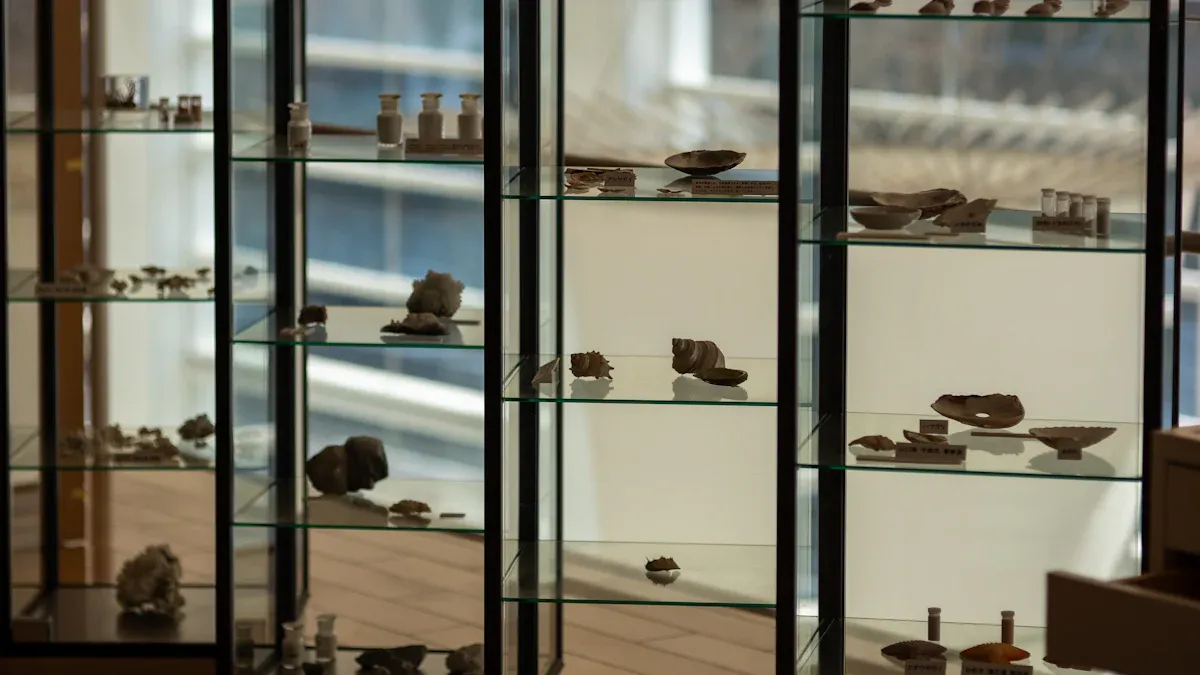
Freestanding cabinets stand by themselves. They do not need walls to stay up. Museums use them for big or heavy artifacts. These cabinets have strong bases and thick glass for safety. Many have LED lights and shelves you can move. Some use smart controls to keep the inside climate steady. Custom designs let you pick different heights and shapes. Freestanding cabinets are good for open spaces or main halls.
Wall-mounted cabinets hang on walls. They save floor space and show small items at eye level. Museums use them for coins, jewelry, or small statues. These cabinets use strong glass or acrylic for safety and clear views. Some have systems to control humidity and temperature. They can have built-in lights and locks for security. Museums can match the cabinet style to the gallery.
Tabletop cabinets sit on tables or stands. They are best for small, delicate objects you want to see up close. These cabinets use clear glass or acrylic for safety and easy viewing. Many have fiber optic or LED lights to show details. Some have airtight seals and climate controls. Museums can order special sizes for unique artifacts. Tabletop cabinets are often in study rooms or special shows.
Portable cabinets are good for short exhibits or moving artifacts. They come apart into smaller pieces for easy moving. Light materials make them simple to carry and set up. Double glass and new designs give some protection. Modular cases let museums add or take away sections. Fast setup and take down save time. Portable cabinets are great for events that need quick setup and safe moving of relics.
Note: Portable cabinets are best for short displays. They are easy to set up and give enough protection.
Specialty cabinets meet special needs. Some have smart controls and sensors for temperature, humidity, and light. Microenvironment systems keep the air inside clean and steady. Special lights, like fiber optic, protect sensitive items from heat. These cabinets use top materials and custom designs. Museums pick them for rare or fragile artifacts that need extra care. Security features like electronic locks and alarms give more safety.
| Cabinet Type | Best Use Scenario | Common Features |
| Freestanding | Big or heavy artifacts | Thick glass, LED lights, custom size |
| Wall-Mounted | Small items, save space | Climate control, security locks |
| Tabletop | Delicate, close-view objects | Airtight seals, fiber optic lights |
| Portable | Short exhibits, moving items | Modular design, easy setup |
| Specialty | Rare or fragile artifacts | Smart controls, strong security |
Picking the right cabinet size keeps artifacts safe and easy to see. Small cabinets hold small items and fit more in one space. These cabinets let people look at details up close. Strong materials and good locks help keep things safe. Some cabinets have alarms to stop theft or damage. Clear glass or acrylic lets you see from many sides. Adjustable shelves and layers show different artifact sizes. Good design keeps things safe and easy to view, even in small spaces.
Tip: Measure both the artifact and display spot first. This makes sure the cabinet fits and protects the item.
The materials you pick change how safe and nice the cabinet looks. Museums use tempered glass or acrylic most of the time. Each one has good and bad points:
| Material | Benefits | Drawbacks |
| Tempered Glass | Very clear, looks fancy, hard to scratch, handles heat well | Can break, heavy, costs more |
| Acrylic | Light, hard to break, not expensive | Scratches easy, can turn yellow, gets dusty |
Tempered glass looks fancy and does not scratch easily. Acrylic is lighter and safer if it falls. Museums choose based on what the artifact needs and how they want it to look.
Environmental systems keep artifacts safe from heat and wetness changes. Microenvironment systems help keep the inside steady. These use heat, air, and barriers to stop warm air from leaving and keep humidity low. Steady heat and wetness stop mold, rust, and fading. Air filters take out dust and bad stuff. Museums can control the cabinet’s air by itself, which saves energy and protects better. Good controls help keep artifacts safe for a long time.
Security features keep artifacts safe from theft and harm. Museums use many ways:
All these things work together to keep artifacts safe.
Lighting helps people see artifacts and keeps them safe. LED and fiber optic lights shine without making heat. Acrylic cases can have lights inside to show details. UV protection in glass or acrylic stops fading and harm. Non-glare surfaces cut down on reflections, so people see better. Good lighting makes displays look nice and keeps artifacts safe.
Note: Pick lights that do not make heat or UV rays. This keeps sensitive items from getting hurt.
Customization lets museums make cabinets for special needs. Adjustable shelves, panels, and lights fit different artifact shapes and sizes. Custom cabinets can have smart controls for heat, wetness, and lights. Museums can use eco-friendly materials to help the earth. Custom features help balance seeing, protecting, and controlling the air for each display.
Good installation keeps relics safe and easy to see. Museums pick flat, strong spots for cabinets. They check if the floor can hold heavy cabinets. Staff use anchors or brackets to stop cabinets from tipping. Wall-mounted cabinets need strong studs and tight fasteners. Installers do not put cabinets near windows or vents. This helps control light and temperature changes. They also hide wires for lights to keep things safe.
Tip: Test the cabinet doors and locks after you set up. This makes sure they work well and keep things safe.
Regular care keeps cabinets and relics in good shape. Museums do these things:
Staff clean glass and acrylic with soft, lint-free cloths. They do not use harsh cleaners that could hurt the cabinet or relics. Regular checks help find problems early.
A good layout helps people enjoy the display and keeps relics safe. Museums plan space so visitors can move and see each item. Big cabinets go in open spots. Small ones go on walls or tables. Staff do not put too many items in one cabinet. They use shelves that move to fit different sizes. Labels and lights help guide visitors and show important pieces.
Note: A smart layout makes the exhibit safer and more fun for everyone.
Many people do not think about the air inside cabinets. Museums sometimes only care about the room’s temperature or humidity. They forget to check what happens inside the cabinet. Some things that get missed are:
Tip: Always look at the materials and how well the cabinet is sealed before putting valuable items inside.
Not thinking about security can put artifacts in danger. Some people pick cabinets without good locks or alarms. Others do not use cameras or sensors. Thieves and vandals look for easy targets. Museums need strong glass, good locks, and alarms. Staff should make rules about who can open or move the cabinet. Security checks help stop theft or damage.
A cabinet that looks cool may not keep things safe. Some people care more about color or shape than safety. Fancy cabinets can have weak glass or bad seals. Museums should pick safety and strength first. A simple, strong cabinet keeps relics safe for a long time.
Not taking care of cabinets can cause big trouble. Dust, water, and light can build up inside. Locks and seals can stop working. Staff should clean cabinets with soft cloths and check for problems often. Taking care of cabinets keeps both the cabinet and the artifact safe. Regular checks help find small problems before they get worse.
Note: Taking care of cabinets is just as important as picking the right one.
Look at this checklist before you pick a display cabinet. It helps you keep each artifact safe and looking good.
Tip: Always check the air and conditions inside the cabinet, not just the room. This keeps the cultural relic safe from hidden dangers.
| Checklist Item | Why It Matters |
| Size and Fit | Stops crowding or damage |
| Material Quality | Keeps things safe and easy to see |
| Security Features | Stops theft or tampering |
| Environmental Controls | Stops mold and decay |
| Lighting | Shows details, keeps items safe |
| Seals | Blocks dust and bugs |
| Customization | Fits special artifact needs |
| Installation | Keeps the cabinet steady |
| Maintenance | Makes the cabinet last longer |
| Cabinet Type | Matches what the artifact needs |
This checklist helps museums and collectors keep every cultural relic safe and looking nice.
Picking the right display cabinet keeps each cultural relic safe. It also helps people enjoy learning about its history. Readers should follow the checklist to make good choices and protect artifacts. Experts say museums should work together and use better data. They also suggest using digital tools for better displays. Museums can add videos and facts to make visits more fun.
A good choice keeps items safe, looks nice, and works well. Museums can ask experts or look at what they use now to make displays better.
Tempered glass and acrylic both keep artifacts safe. They let people see items clearly. Museums like tempered glass because it does not scratch easily. Acrylic is lighter and does not break as much. Both materials help protect and show off artifacts.
Staff need to check cabinets once a month. Cleaning and looking for problems helps a lot. This keeps the cabinet and the artifact in good shape.
Many new cabinets have microenvironment systems inside. These systems keep the air and temperature steady. This stops mold, rust, and fading in sensitive artifacts.
Custom cabinets are made for special artifacts. They can have smart controls and extra locks. Some have special lights too. Custom cabinets help keep rare items safe and easy to see.
LED and fiber optic lights are the best choice. These lights do not make heat or UV rays. They help people see details without hurting the artifact.