Phone
Tel: +86 130 4085 1926/ +86 188 2554 8601
Email
Email: sales01@szzhdisplay.com

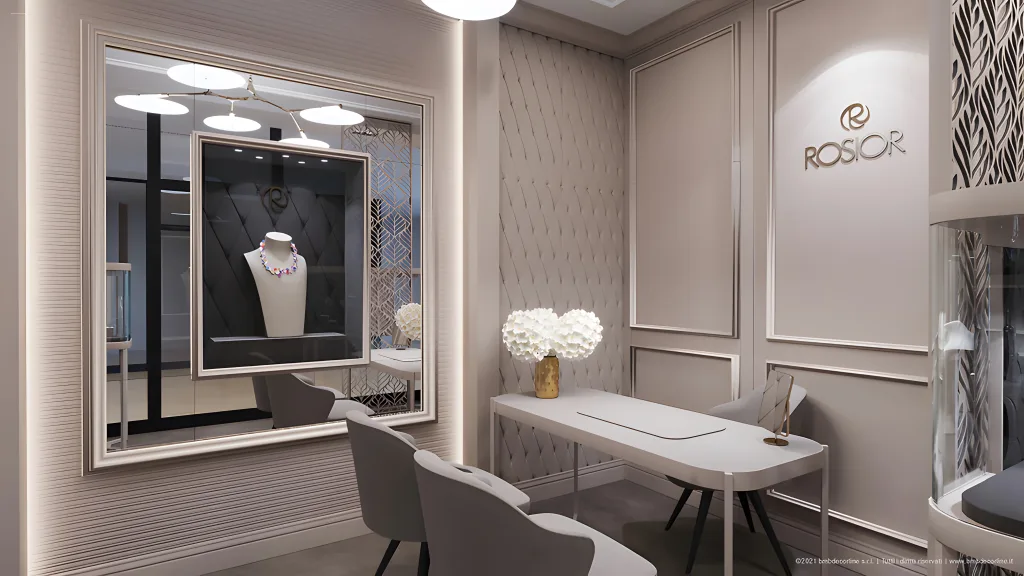
Designing and laying out a successful jewelry store is a multifaceted process that combines art, functionality, and customer experience. It requires careful consideration of various elements to create an environment that not only showcases the beauty of the jewelry but also entices customers to make purchases. In this article, we will explore the key principles and strategies that contribute to the design and layout of a thriving jewelry store.

Brand Identity and Concept​

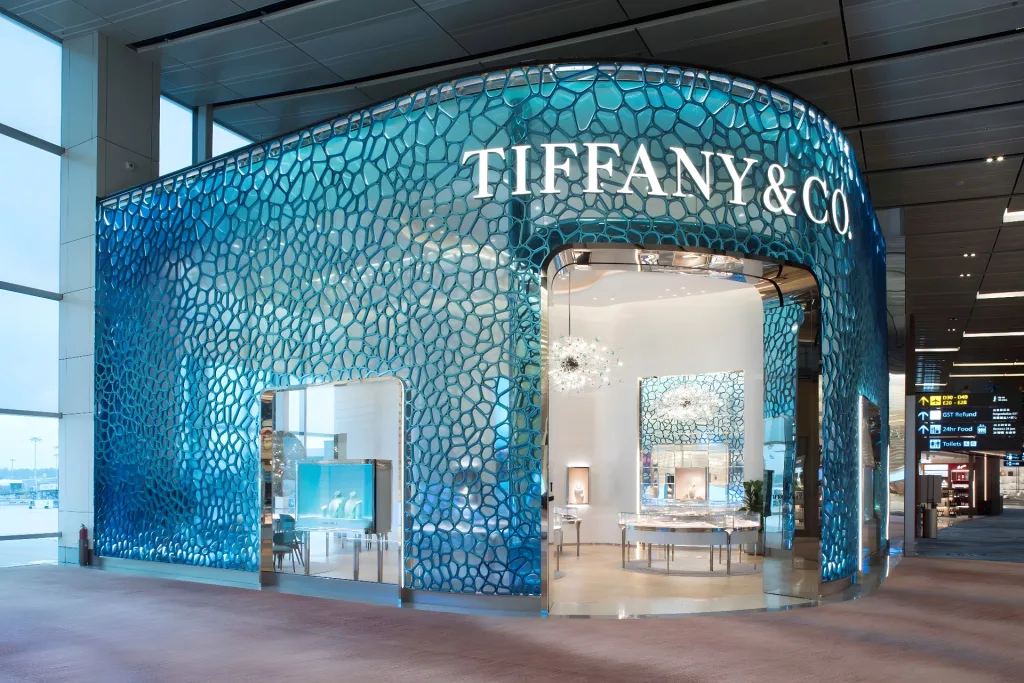
The first step in designing a jewelry store is to define its brand identity. The store’s design should reflect the brand’s values, style, and target audience. For example, Tiffany & Co., an iconic brand synonymous with luxury and elegance, has a distinct brand identity that is reflected in every aspect of its stores. From their iconic blue box to their classic font and elegant design, everything about Tiffany & Co. exudes a sense of refinement. Their stores are designed with a sophisticated color scheme of white and their signature Tiffany Blue, creating a clean and luxurious backdrop for their jewelry.​
 
Another example is Cartier, a French luxury brand with a rich history. Cartier’s stores often feature elements of French elegance, such as ornate moldings and luxurious materials. Their boutiques in major cities around the world are designed to be exclusive and inviting, with carefully curated displays that showcase their high – end jewelry and watches. When Cartier opened its first boutique in Fuzhou, the store’s exterior design combined champagne – gold water – wave decorations, inspired by the Chinese concept of “metal generates water,” with large, clear windows. 

Store Layout​

Once the brand identity is established, the next step is to plan the store layout. The layout should be designed to maximize customer flow and visibility of the merchandise. A common layout for a jewelry store is the grid layout, which consists of a series of parallel aisles with display cases along the walls and in the center of the store. This layout allows customers to easily navigate the store and view the merchandise from all angles. For instance, a mid – sized jewelry store targeting a broad range of customers might use a grid layout to efficiently present different product lines, such as engagement rings, necklaces, and bracelets.
Another popular layout is the free – flow layout, which features a more organic and flexible arrangement of display cases and fixtures. This layout creates a more intimate and personalized shopping experience, but it may be more challenging for customers to navigate. High – end luxury jewelry stores, like some of the exclusive Bulgari boutiques, often use a free – flow layout. They create a series of interconnected, intimate spaces, each dedicated to a specific collection or type of jewelry. This layout encourages customers to explore at their own pace, and the absence of a rigid structure gives the impression of exclusivity and uniqueness.

Display Case Design

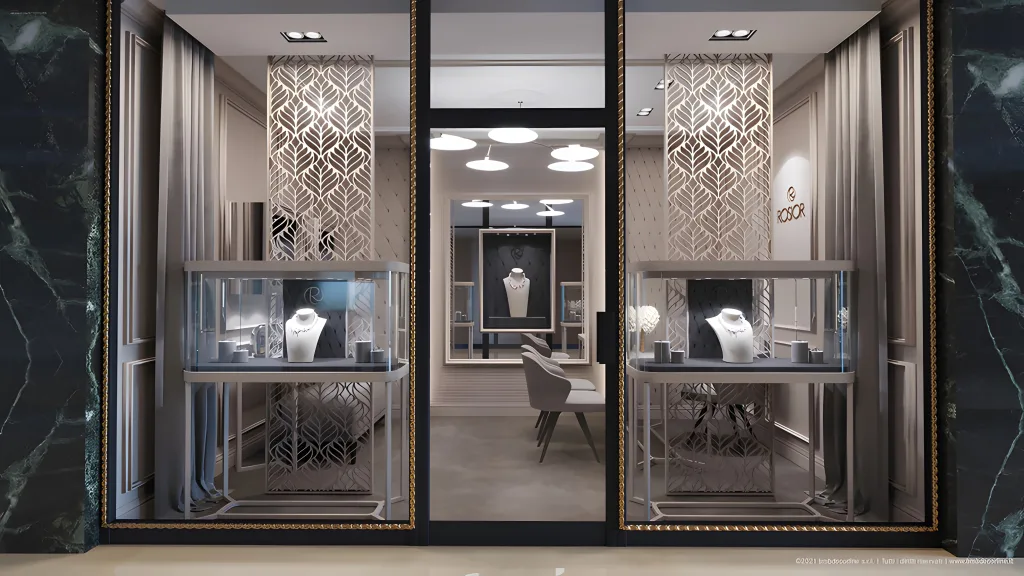
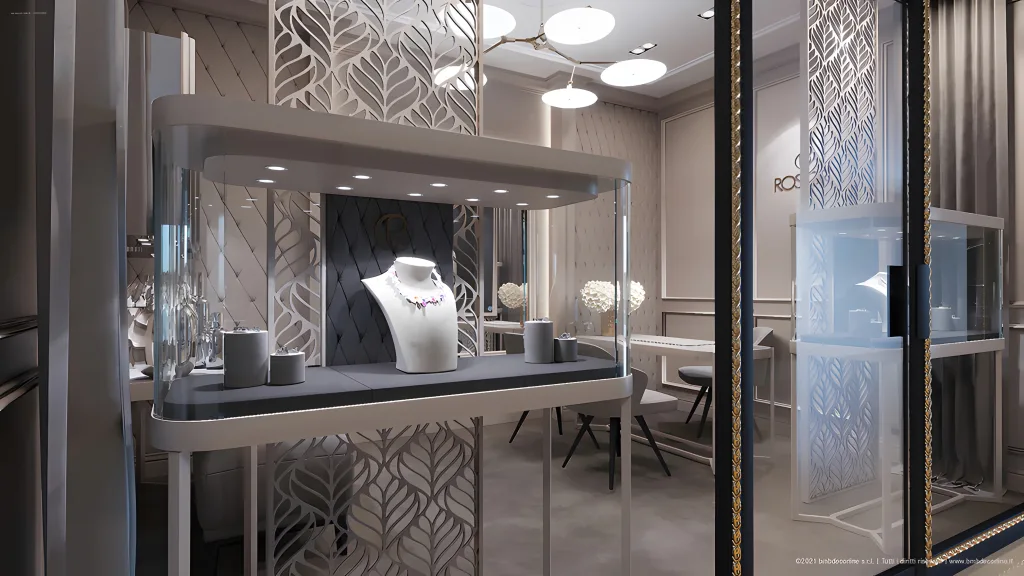
In addition to the layout, the jewelry pieces design of the display cases is crucial for showcasing the jewelry. Display cases should be designed to highlight the beauty and craftsmanship of the jewelry while also protecting it from damage. They should be made of high – quality materials, such as glass, metal, and wood, and should be equipped with proper lighting and security features.
 
Leysen, a well – known European – style jewelry brand, pays great attention to the design of its display cases. For their high – end diamond and crystal jewelry, the display cases are often made of solid wood with a fine finish, paired with high – clarity glass. The interior of the cases is lined with soft, velvet – like materials to provide a luxurious backdrop for the jewelry. Some cases are designed with special compartments and holders to showcase the unique shapes and settings of their jewelry pieces, such as the elaborate settings of their Blue Flame True Heart Diamonds.

Lighting Design​

Lighting is another important element in the design of a jewelry store. Proper lighting can enhance the beauty of the jewelry and create a warm and inviting atmosphere. The store should be well – lit with a combination of natural and artificial light. Display cases should be equipped with spotlights or LED lights to highlight the jewelry, while the overall store should be illuminated with soft, ambient lighting.
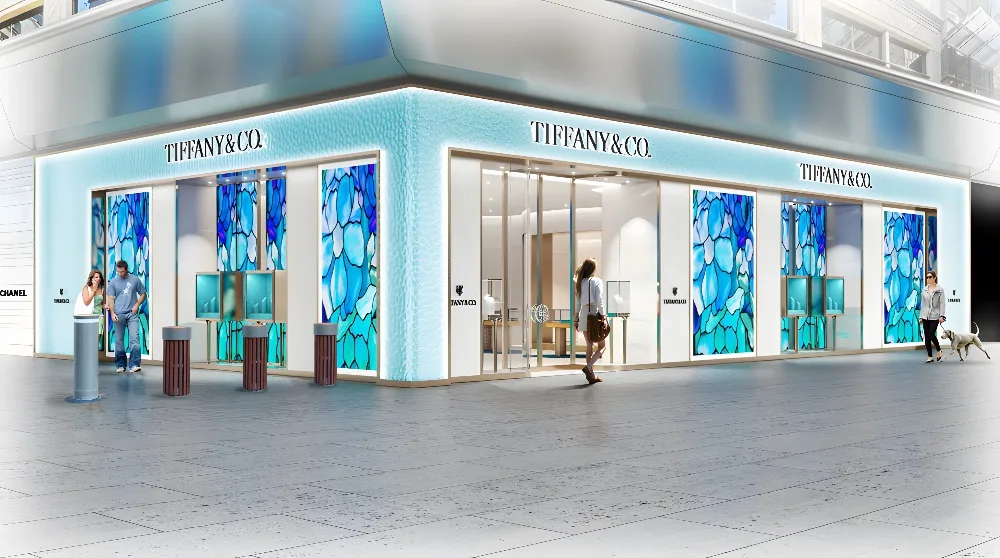
Tiffany & Co. stores are known for their excellent lighting design. Natural light is maximized through large windows in their street – level stores, creating a bright and airy environment. In the display areas, carefully placed spotlights are used to draw attention to the jewelry. The lights are adjusted to enhance the sparkle of diamonds and the luster of precious metals, making the jewelry even more appealing to customers.

Functionality​

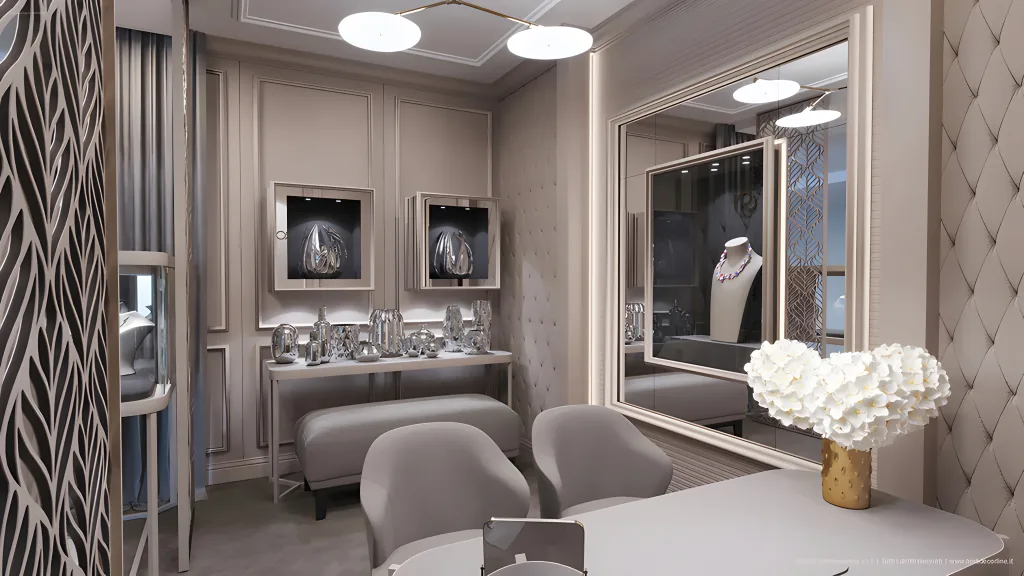
In addition to the design elements, the functionality of the store is also important. The store should be designed to provide a comfortable and convenient shopping experience for customers. It should have enough space for customers to move around freely, and it should be equipped with comfortable seating areas and restrooms. The store should also have a checkout area that is easily accessible and efficient.
Well – established jewelry chains like Chow Tai Seng ensure that their stores are functional. In larger stores, they have dedicated areas for customers to sit and relax while they wait for assistance or to try on jewelry. The checkout areas are designed to be fast – moving, with trained staff to handle transactions efficiently. Additionally, they often have storage areas for customers’ coats and bags, adding to the overall convenience of the shopping experience.

Creating an Emotional Connection

Finally, the store should be designed to create a memorable and emotional connection with customers. This can be achieved through the use of storytelling, visual merchandising, and customer service.
Brands like Leysen use storytelling to connect with customers. They emphasize their long – standing history as a royal jewelry supplier, dating back to 1855. Their stores often display historical artifacts and information about their royal commissions, such as the restoration of the French royal treasure, Napoleon III’s Eugenie Gold Crown. This storytelling aspect adds a sense of heritage and prestige to the brand, creating an emotional connection with customers who appreciate the historical and cultural significance of the jewelry.
Visual merchandising is also key. For example, during holiday seasons or special promotions, jewelry stores like Zales create elaborate window displays. They use props, lighting, and jewelry arrangements to tell a story related to the occasion. A Christmas window display might feature a winter wonderland scene with jewelry – adorned mannequins, attracting passers – by and creating a sense of excitement and anticipation.
Excellent customer service is essential. Sales staff in successful jewelry stores are trained to be knowledgeable about the products, offer personalized advice, and create a warm and welcoming environment. In a Tiffany & Co. store, the staff is known for their professionalism and attentiveness. They take the time to understand the customer’s needs and preferences, and they provide a high – level of service that makes the customer feel special.
In conclusion, designing and laying out a successful jewelry store requires careful consideration of various elements, including brand identity, store layout, display cases, lighting, color scheme, functionality, and customer experience. By combining these elements effectively, a jewelry store can create an environment that showcases the beauty of the jewelry, entices customers to make purchases, and creates a memorable and emotional connection with customers. With the right design and layout, a jewelry store can become a destination for jewelry lovers and a successful business in the competitive jewelry industry.
TYPE TO SEARCH